

The Complete Guide to Piezo Buzzers: From Fundamentals to Applications
 May 13, 2026|
 View:914
Piezo buzzers have become indispensable components in modern electronics, providing audible feedback, alerts, and notifications across countless applications. As a fundamental type of buzzer transducer, these devices convert electrical energy into audible sound through the piezoelectric effect, offering unique advantages over other acoustic solutions. This comprehensive guide explores the technology, types, specifications, and applications of piezoelectric buzzers, with particular focus on the products offered by Shenghui Electronic, a leading manufacturer since 1996.
Understanding Piezo Buzzer Technology
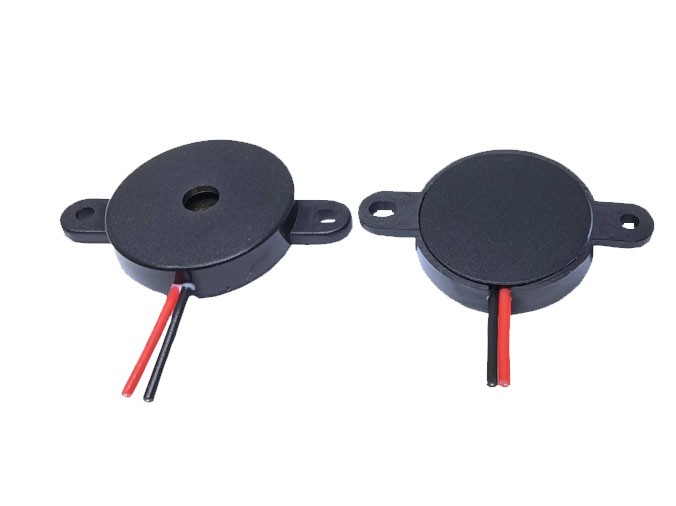
At the heart of every piezoelectric buzzer lies the piezo ceramic buzzer element. This technology utilizes piezoelectric materials—typically specialized ceramics—that deform when subjected to an electrical voltage. This deformation creates mechanical vibrations that generate sound waves. The piezo element buzzer configuration typically consists of a piezoelectric ceramic disc bonded to a metal diaphragm, which amplifies the sound produced.
One of the fundamental distinctions in buzzer technology is between active and passive buzzer designs. An active piezo buzzer contains an internal oscillator circuit, allowing it to produce sound when connected to a simple DC power source. In contrast, a passive piezo buzzer requires an external oscillating signal to operate, providing greater flexibility in tone generation but requiring more complex drive circuitry. This distinction between active passive buzzer types is crucial for designers to understand when selecting components for their applications.
Key Specifications and Variations
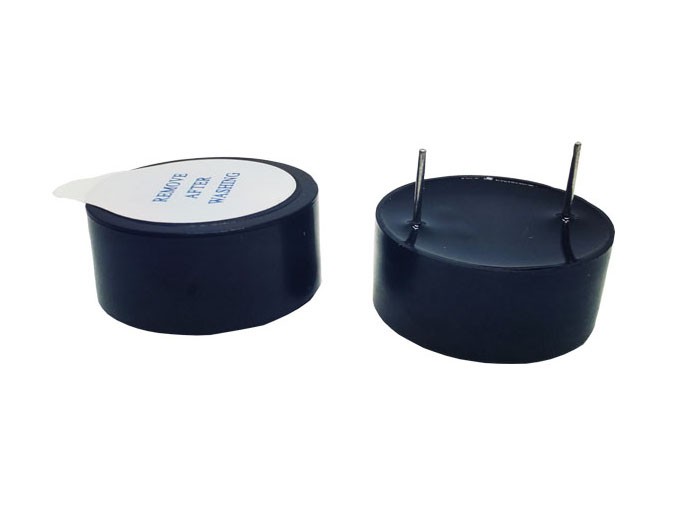
Piezo buzzers are available in numerous configurations to meet diverse application requirements. Voltage ratings are particularly important, with common options including 3V piezo buzzer, 5V piezo buzzer, 12V piezo buzzer, 12 volt DC piezo buzzer, 24V piezo buzzer, and 24VDC piezo buzzer models. The buzzer 12VDC specification is especially common in automotive and industrial applications where 12V systems are standard.
Sound output is another critical specification, typically measured in decibels (dB) at a standard distance. Shenghui Electronic offers a range of sound pressure levels, from standard 85dB piezo buzzer models suitable for indoor applications to powerful 90dB piezo buzzer and 108dB piezo buzzer units designed for loud environments. These loud piezo buzzer options are particularly valuable for piezoelectric alarm buzzer and alarm piezo applications where attention must be captured in noisy conditions.
Size constraints often drive component selection in modern electronics. For space-constrained applications, manufacturers provide compact solutions like tiny piezo buzzer, small piezo buzzer, mini piezo buzzer, and miniature piezo buzzer designs. The piezo 12mm diameter represents a popular balance between sound output and footprint. Even smaller micro piezo buzzer options are available for wearable devices and medical applications.
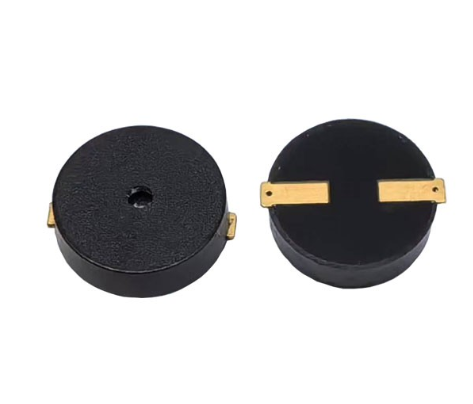
Mounting and packaging options have evolved to support modern manufacturing processes. Surface mount piezo buzzer and SMD piezo buzzer configurations enable automated assembly, reducing production costs and improving reliability. For harsh environments, waterproof piezo buzzer designs provide protection against moisture and contaminants, extending operational life in outdoor and industrial settings.
Drive Methods and Electrical Characteristics
The drive method significantly impacts buzzer implementation. Piezo internal drive configurations (typical of active buzzers) simplify circuit design by incorporating the oscillator within the buzzer package. Conversely, piezo external drive approaches (used with passive buzzers) offer greater flexibility for generating complex tones and melodies but require additional circuitry.
Common voltage-specific models include the versatile 5V active buzzer, which integrates well with microcontroller systems, and the 5V passive buzzer, which offers tone flexibility for the same operating voltage. The active buzzer 3V configuration is particularly valuable for battery-powered applications where low voltage operation is essential. Understanding the distinction between active buzzer passive buzzer implementations helps designers optimize their systems for both performance and efficiency.
Specialized Applications and Configurations
Certain applications demand specialized buzzer configurations. The piezo alarm buzzer represents a category optimized for security and safety systems, typically offering higher sound outputs and rugged construction. In some implementations, the piezo buzzer sensor combines acoustic output with sensing capabilities, though this represents a more specialized application.
The piezoelectric beeper terminology often refers to simpler, lower-cost implementations suitable for basic alert functions. Similarly, the piezo beeper designation may indicate devices optimized for repetitive, attention-getting sounds rather than complex audio patterns.
While sometimes confused with speakers, the piezo buzzer speaker distinction is important: buzzers are optimized for specific frequency ranges and alert tones, while speakers are designed for broader audio reproduction. The small piezo speaker represents a hybrid approach that may offer some audio range flexibility while maintaining the efficiency benefits of piezoelectric technology.
Selection Considerations for Design Engineers
When selecting a piezo buzzer for a specific application, engineers should consider several key factors:
Voltage Compatibility: Ensure the buzzer's rated voltage matches the available power supply. Common options include 3V piezo buzzer for battery-powered devices, 5V piezo buzzer for logic-level systems, and 12V piezo buzzer or 24V piezo buzzer for automotive and industrial applications.
Sound Output Requirements: Consider the environmental noise levels where the device will operate. Standard 85dB piezo buzzer models may suffice for quiet offices, while 90dB piezo buzzer or 108dB piezo buzzer units are necessary for industrial settings.
Size Constraints: Evaluate the available footprint and height. Mini piezo buzzer and micro piezo buzzer options save space but may have output limitations compared to larger models.
Environmental Factors: For outdoor or harsh environments, consider waterproof piezo buzzer designs that resist moisture and contaminants.
Mounting Method: Surface mount piezo buzzer configurations support automated assembly but may have different acoustic characteristics than through-hole designs.
Drive Circuit Complexity: Active piezo buzzer options simplify design but limit flexibility, while passive piezo buzzer implementations offer tone control at the cost of additional circuitry.
Industry Applications and Future Trends
Piezo buzzers find application across numerous industries. In consumer electronics, compact miniature piezo buzzer and tiny piezo buzzer designs provide user feedback in smartphones, wearables, and home appliances. Automotive systems utilize robust 12V piezo buzzer and 24V piezo buzzer models for alerts and warnings. Industrial applications favor durable piezoelectric alarm buzzer units for safety systems, while medical devices often employ micro piezo buzzer designs for patient alerts.
The trend toward miniaturization continues to drive development of ever-smaller piezo buzzer solutions, while increasing demand for IoT devices creates opportunities for low-power 3V piezo buzzer implementations. The growing emphasis on user experience in consumer products fuels innovation in sound quality and reliability across all piezo buzzer categories.
From basic piezoelectric beeper implementations to sophisticated piezo alarm buzzer systems, piezoelectric buzzers offer a versatile acoustic solution for countless electronic applications. By understanding the distinctions between active and passive buzzer technologies, voltage requirements from 3V piezo buzzer to 24VDC piezo buzzer, and form factors from micro piezo buzzer to standard sizes, designers can select optimal components for their specific needs. As technology evolves, piezo buzzers will continue to provide reliable, efficient audible feedback across an expanding range of applications and industries.