

The Essential Guide to Passive Magnetic Buzzers
 Dec 22, 2025|
 View:707
In the realm of electronic components, where silent data processing meets the physical world, the humble buzzer serves as a critical interface, converting electrical signals into audible sound. Among the various types of audible signal devices, the passive magnetic buzzer stands out for its versatility, reliability, and control. Unlike its active counterpart, a passive buzzer is a transducer without an integrated oscillation source. It requires an external driving circuit to generate sound, which paradoxically, is the source of its greatest strength: programmable audio output. This article delves deep into the world of Passive Magnetic Buzzers, exploring their operation, advantages, technical specifications, diverse applications, and highlights a recommended manufacturer, Shenghui Electronics.
1. Product Introduction: How Does a Passive Magnetic Buzzer Work?
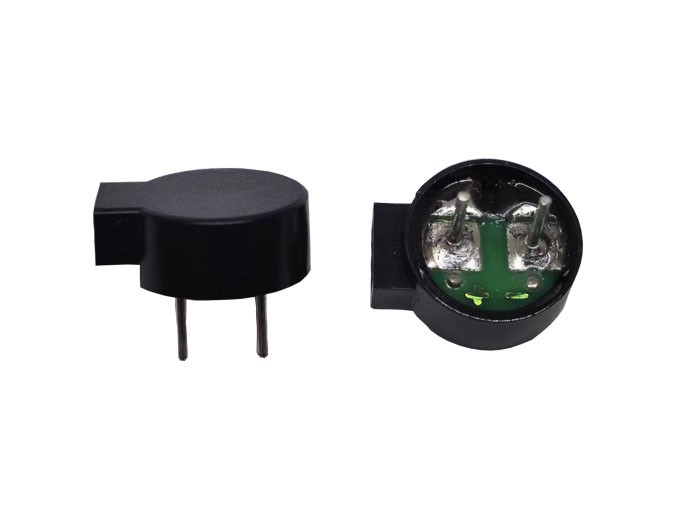
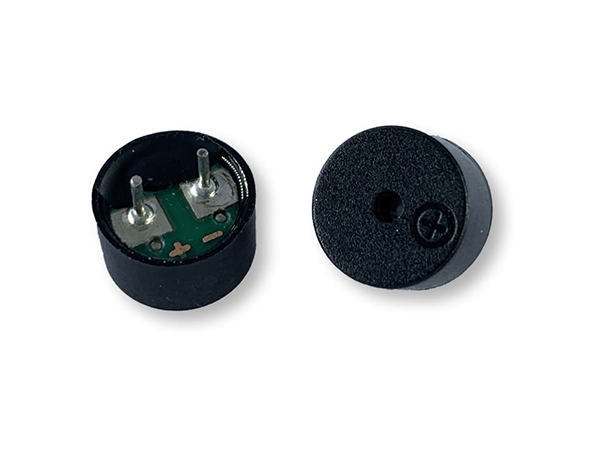
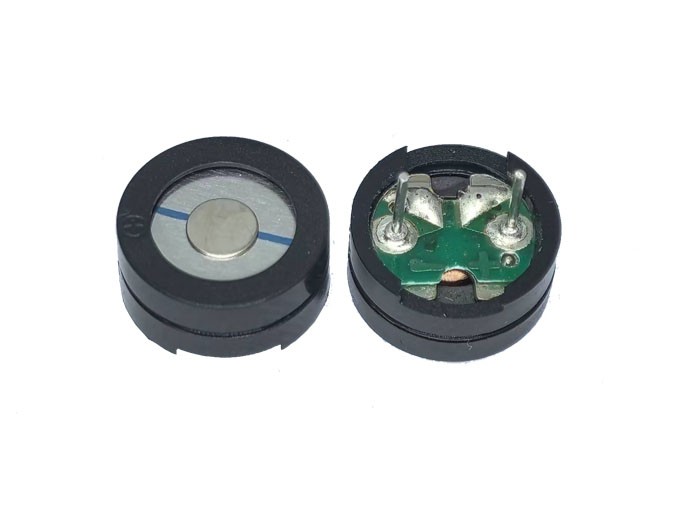
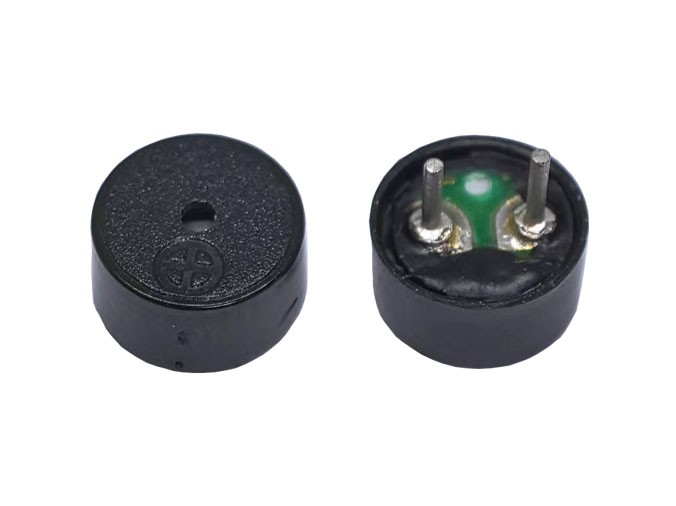
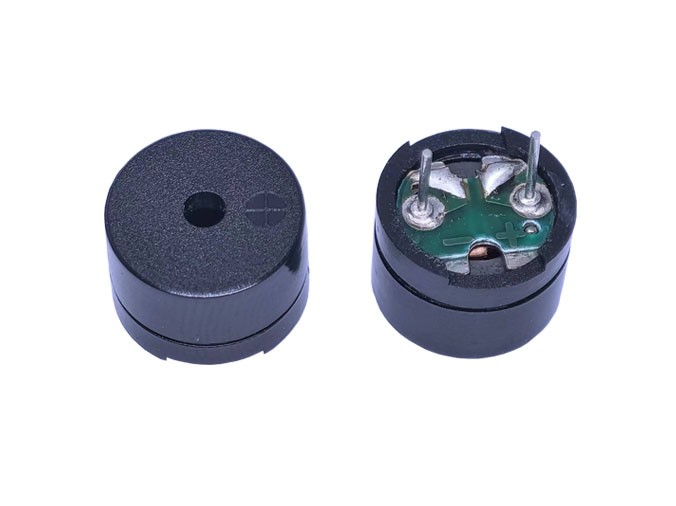
A Passive Magnetic Buzzer operates on the fundamental principles of electromagnetism and diaphragm vibration. Its core construction typically consists of the following elements:
Coil: A wire winding that creates a magnetic field when current passes through it.
Magnet: Provides a static magnetic field.
Diaphragm/Vibrating Disc: A thin, flexible ferromagnetic plate (often made of a nickel-iron alloy) placed near the magnet. This disc is attached to the coil or is positioned to be influenced by the coil's magnetic field.
Housing: A plastic or metal case that protects the internal components and shapes the sound output.
Working Principle:
Signal Application: An external oscillator circuit (e.g., from a microcontroller) applies a square wave (PWM signal) to the buzzer's coil terminals.
Magnetic Field Generation: The alternating current in the coil generates a fluctuating magnetic field.
Force Interaction: This fluctuating field interacts with the static field of the permanent magnet, exerting an alternating attractive and repulsive force on the ferromagnetic diaphragm.
Vibration and Sound: The diaphragm vibrates rapidly at the frequency of the applied signal. These vibrations displace air molecules, creating sound waves. The frequency of the sound is directly determined by the frequency of the external driving signal. For example, a 2kHz square wave will produce a 2kHz tone.
This "dumb" nature—relying entirely on external control—is what defines it as "passive."
2. Key Advantages and Why Choose a Passive Magnetic Buzzer
Choosing a passive magnetic buzzer over an active buzzer or other audible devices offers several compelling advantages:
Frequency Control & Flexibility: This is the most significant advantage. Designers can generate a wide range of tones, alarms, melodies, and even simple polyphonic sounds by changing the frequency and duty cycle of the drive signal. A single passive buzzer model can serve multiple functions with different sound patterns.
Cost-Effectiveness: For applications requiring varied audio feedback, a single, inexpensive passive buzzer controlled by a microcontroller (which is often already present in the system) is far more economical than using multiple pre-set active buzzers.
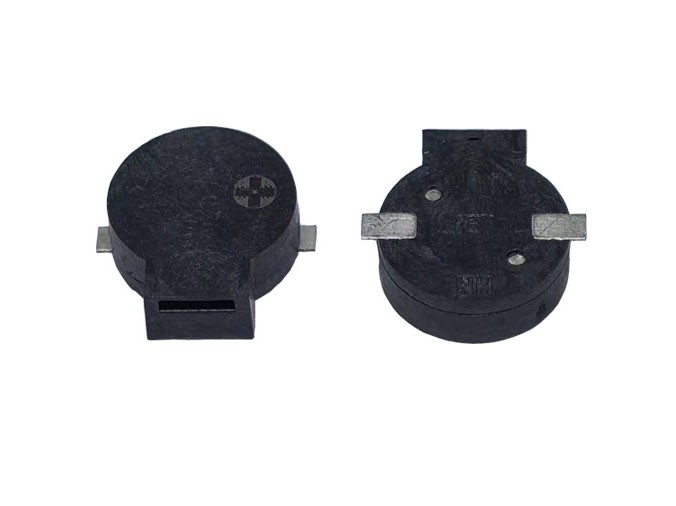
Small Size and Low Profile: Modern passive magnetic buzzers are available in very compact packages (e.g., Φ6.5mm x 3.5mm), making them ideal for space-constrained portable and wearable electronics.
Low Power Consumption (Potentially): When driven with an efficient circuit (like a transistor switch), they can operate with very low current, especially when sounded intermittently. Power is only drawn when the drive signal is active.
Long Operational Life: With no internal oscillator circuitry to fail and a simple mechanical construction, passive magnetic buzzers typically offer excellent long-term reliability and a long operational lifespan.
Wide Voltage Range Operation: By adjusting the drive signal amplitude, a single passive buzzer can often operate effectively over a wider voltage range compared to an active buzzer designed for a fixed voltage.

3. Understanding the Technical Parameters
When selecting a passive magnetic buzzer, understanding its datasheet is crucial. Key specifications include:
Operating Voltage (Vp-p): The peak-to-peak voltage of the recommended drive signal (e.g., 3Vp-p, 5Vp-p). This is not a power supply voltage but the amplitude of the square wave.
Rated Current / Coil Resistance (DCR): The typical current draw at the operating voltage, or the DC resistance of the internal coil (e.g., 16Ω, 42Ω). This is vital for designing the external drive transistor circuit.
Resonant Frequency: The natural mechanical frequency of the buzzer's diaphragm assembly. Driving the buzzer at or near this frequency yields the maximum sound pressure output and efficiency.
Sound Pressure Level (SPL): The loudness of the buzzer, measured in decibels (dB) at a standard distance (usually 10 cm) when driven at its resonant frequency with rated voltage. Common ranges are from 70 dB to over 100 dB. Higher SPL is needed for noisy environments.
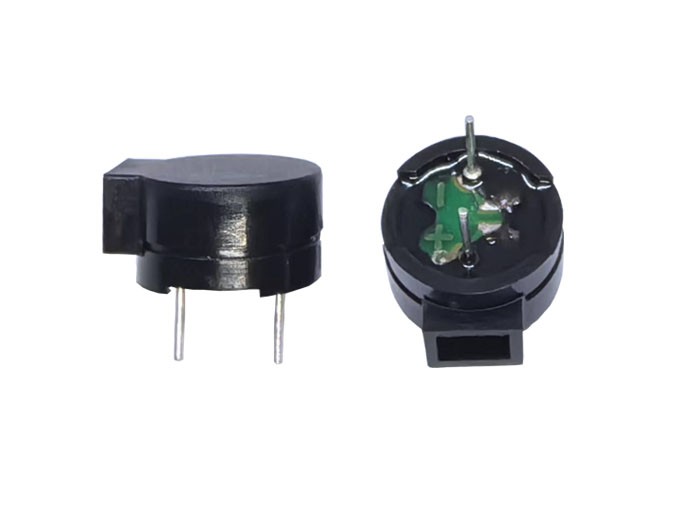
Dimensions: The outer diameter and height (e.g., Φ12.0mm x 9.0mm). Pin spacing (pitch) is also critical for PCB layout.
Operating/Storage Temperature Range: The environmental conditions the component can withstand, typically from -20°C to +70°C for commercial grade.
Tolerance: Specifications often have a ±10% tolerance for SPL and frequency.
Important Note on Driving: A passive buzzer cannot be connected directly to a microcontroller GPIO pin. It requires a simple amplification circuit, usually involving an NPN bipolar junction transistor (BJT) or an N-channel MOSFET, controlled by the GPIO to switch the buzzer's current on and off.
4. Diverse Applications Across Industries
The unique properties of passive magnetic buzzers make them ubiquitous:
Consumer Electronics: Keypress feedback in remote controls, microwave oven timers, washing machine cycle completion alerts, and low-battery warnings in toys.
Automotive Electronics: Warning chimes for seatbelts, headlights left on, door ajar, and parking sensor alerts. Their ability to produce distinct tones is highly valuable.
Industrial Controls & Alarm Systems: Panel mount buzzers in control boxes for fault indications, fire alarm control panels (for panel alerts, not room sirens), and security system keypads.
Medical Devices: Audible alerts for patient monitors, infusion pump warnings, and diagnostic equipment status indicators, where different tones can signify different priority alarms.
Home Appliances: Timers in coffee makers, air purifier filter replacement reminders, and refrigerator door alarms.
Telecommunications & IT: VoIP phones, network switches, and routers for system boot completion or error signals.
5. Recommended Manufacturer: Shenghui Electronics
When sourcing reliable passive magnetic buzzers, Shenghui Electronics (Changzhou Shenghui Electronics Co., Ltd.) emerges as a highly recommended supplier. Based in Changzhou, China, a hub for electronic manufacturing, Shenghui has established itself as a focused and capable producer of electro-acoustic components.
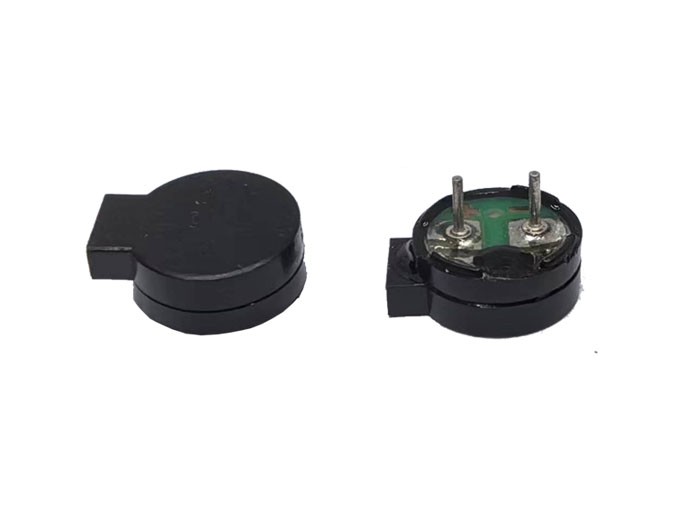
Product Strength: Their product portfolio showcases a comprehensive range of Passive Magnetic Buzzers, covering a wide spectrum of specifications. As seen in their catalog, they offer models from tiny Φ6.5mm devices to larger Φ25mm units, with operating voltages from 1.5Vp-p to 5Vp-p, and sound levels from 70dB to a loud 102dB. This variety allows engineers to find a suitable component for almost any application requirement.
Technical Support: They provide essential technical data upfront (dimensions, voltage, SPL) and are accessible for detailed inquiries. For production, they can supply full datasheets, including resonant frequency, DCR, and temperature ranges, which are crucial for design-in.
Manufacturing Capability: The mention of in-house production equipment on their website indicates control over the manufacturing process, which is key for consistent quality and the ability to handle custom orders or value-added services.
International Orientation: With a professional English website and dedicated export contacts (e.g.,
sales@shenghui.com), they are well-structured to engage with global clients and supply chains.
Conclusion
The Passive Magnetic Buzzer is a deceptively simple component that empowers designers with auditory flexibility. Its externally controlled operation makes it a versatile and cost-effective solution for providing user feedback, warnings, and alerts across countless electronic products. By carefully considering parameters like voltage, size, sound pressure, and resonant frequency, engineers can select the optimal buzzer for their design. For a reliable source with a broad selection and proven manufacturing expertise, Shenghui Electronics stands out as a strong partner for sourcing these essential components, ensuring your product not only works but also effectively communicates with its user through sound.