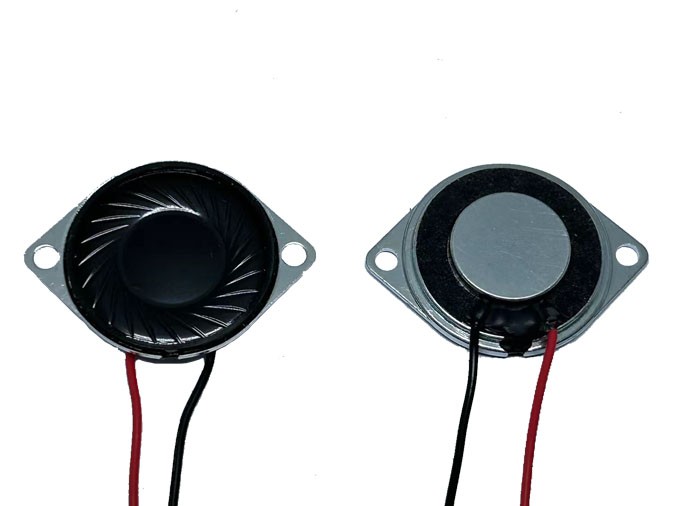


What is a Mylar Speaker: Manufacturer, Size & Dimension
 Mar 25, 2026|
 View:602
In the world of audio components, Mylar speakers have established themselves as a cornerstone for clear and accurate sound reproduction. This article delves into what a Mylar speaker is, introduces two leading manufacturers, and provides a detailed overview of the common sizes and dimensions available in the market.
What is a Mylar Speaker?
A Mylar speaker, also commonly referred to as a polyester film speaker or a Mylar diaphragm speaker, utilizes a diaphragm made from Mylar. Mylar is a brand name for a specific type of polyester film known for its excellent physical properties. The key to the speaker's performance lies in this diaphragm, which vibrates in response to electrical signals to produce sound.
The Mylar material offers a superior stiffness-to-weight ratio, being both lightweight and robust. This combination allows for efficient energy transfer, precise vibration, and ultimately, accurate sound reproduction with high fidelity across a broad frequency spectrum. Furthermore, Mylar is resistant to moisture and humidity, contributing to the durability and reliability of these speakers in various environments. Due to these advantages, Mylar speakers are a popular choice in a wide array of audio devices, including headphones, earphones, portable speakers, and professional audio equipment.
Leading Mylar Speaker Manufacturers
When sourcing Mylar speakers, choosing a reputable manufacturer is crucial for ensuring quality and performance. The provided documents highlight two established companies in this field.
FHD Electronics Corporation: This company is positioned as a prominent supplier and manufacturer of Mylar speakers. They emphasize high-quality standards, state-of-the-art production facilities, and advanced manufacturing techniques. FHD offers comprehensive services, including customer support throughout the purchasing process, storage, and repackaging solutions. Their product portfolio is extensive, catering to diverse audio needs. For instance, their product line includes models like the MS50R078-8T15 (a 50mm speaker) and the MS16R036-8T05A-L50 (a 16mm speaker), indicating a wide range of size offerings. They also supply products from other well-known component manufacturers such as PUI Audio, CUI Devices, and Soberton Inc.
Changzhou Shenghui Electronic Co., Ltd.: Founded in 1996, Shenghui has grown into a professional manufacturer of acoustic components, including Mylar speakers. The company provides detailed specifications for its range of speakers. They list their contact information, including email (sales@shenghui.com) and phone numbers, positioning themselves as a direct manufacturer for business inquiries. Their product focus, as detailed in their catalog, includes a specific range of Mylar speaker sizes.

Mylar Speaker Sizes & Dimensions
The size of a Mylar speaker, typically referring to the diameter of its diaphragm, is a primary factor determining its application and acoustic characteristics. Here is a comparative overview of common sizes, synthesized from information provided by both manufacturers.
20mm Mylar Speaker: This is one of the smallest common sizes, designed for ultra-compact devices. Shenghui lists a 20mm model with dimensions of Φ20.0×4.6H (20mm diameter, 4.6mm height), an 8Ω impedance, and 90dB sensitivity. It is ideally suited for applications like wireless earbuds and hearing aids where space is at a premium.
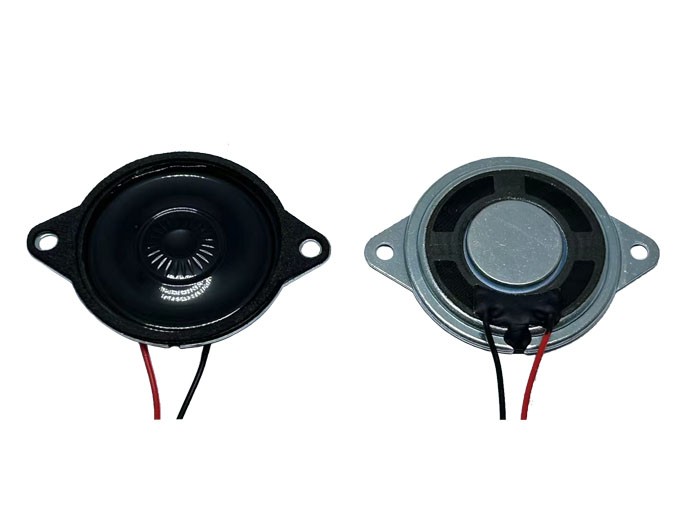
28mm Mylar Speaker: Offering a balance between compactness and sound quality, the 28mm size fits between the smaller and larger variants. Shenghui provides several 28mm models with slight variations in height (e.g., 5.0H, 5.4H, 5.6H), all typically with 8Ω impedance and around 90dB sensitivity.
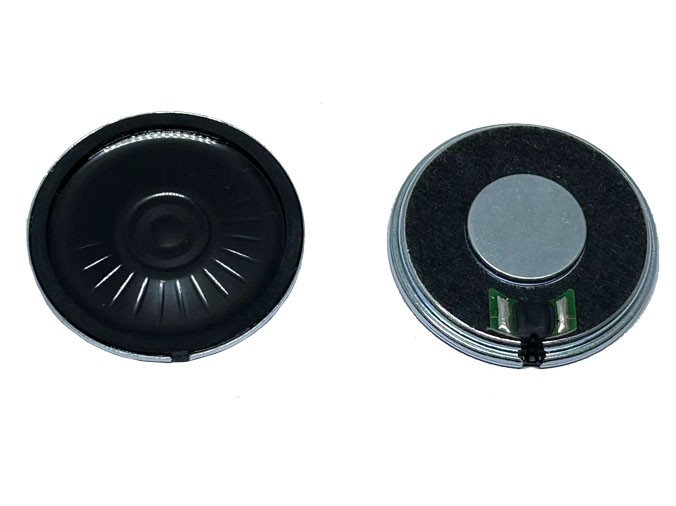
36mm Mylar Speaker: A very common and versatile size, frequently used in portable speakers, headphones, and earphones. Shenghui's specifications for 36mm speakers include dimensions like Φ36.0×4.4H and Φ36.0×4.8H, with impedance options of 4Ω or 8Ω, and sensitivity ranging from 90dB to 92dB. FHD's linked article also specifically mentions 36mm speakers as being ideal for portable devices, providing excellent mid-range and treble performance.
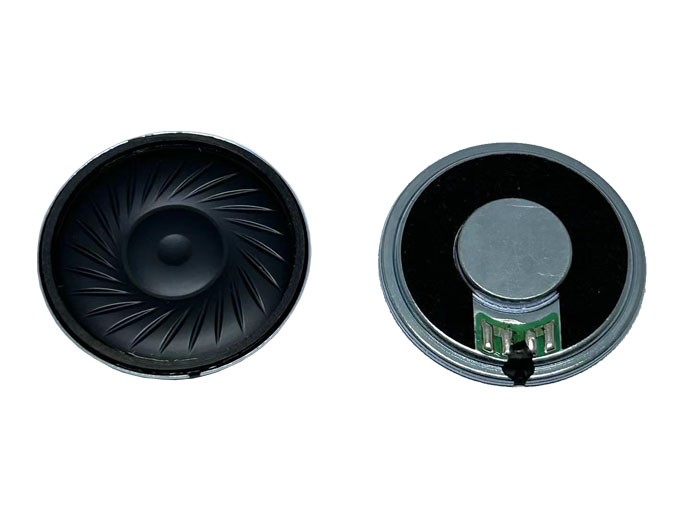
40mm Mylar Speaker: This larger size is often employed in applications that prioritize enhanced sound quality and better bass response, such as certain headphones and portable players. Shenghui lists 40mm models with dimensions like Φ40.0×5.5H and Φ40.0×6.5H, with 8Ω impedance and sensitivity of 90dB or 92dB.
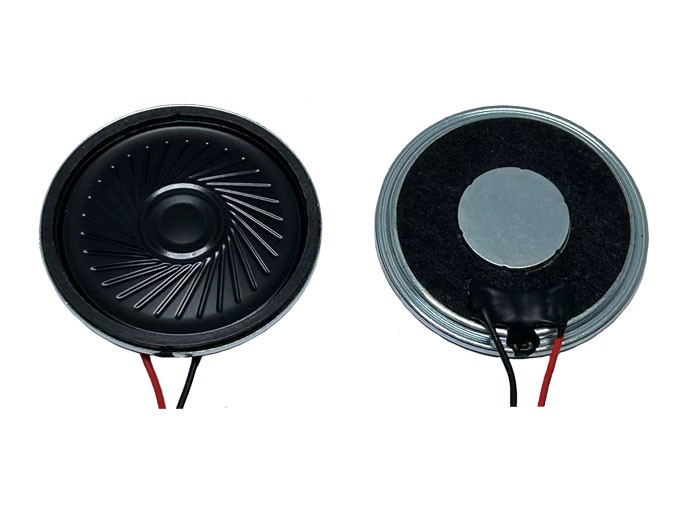
50mm Mylar Speaker: Representing the larger end of the spectrum for such drivers, 50mm Mylar speakers are highlighted in the FHD document. They are known for greater sound dispersion and improved bass response, making them suitable for home theater systems, high-end headphones, and professional audio equipment. FHD lists a product model "MS50R078-8T15," indicating a 50mm speaker in their lineup.
Choosing the Right Size
The choice of size involves a trade-off:
Larger Speakers (e.g., 40mm, 50mm): Generally provide better bass response, fuller sound, and greater sound dispersion. They are typically used where audio quality is the top priority and space constraints are less critical.
Smaller Speakers (e.g., 20mm, 28mm, 36mm): Prioritize compactness and are essential for space-limited devices like true wireless earbuds (20mm) or sleek on-ear headphones (36mm). While they may not match the bass depth of larger units, modern small Mylar speakers still deliver clear and detailed audio.
In summary, a Mylar speaker is a high-performance audio component defined by its polyester film diaphragm. Manufacturers like FHD Electronics Corporation and Changzhou Shenghui Electronic Co., Ltd. provide a range of reliable products. The selection of the correct size—from 20mm to 50mm—is fundamental, as it directly determines the speaker's application, its sound signature, and the form factor of the final audio device. Understanding these elements is key to making an informed decision for any audio design or purchase.