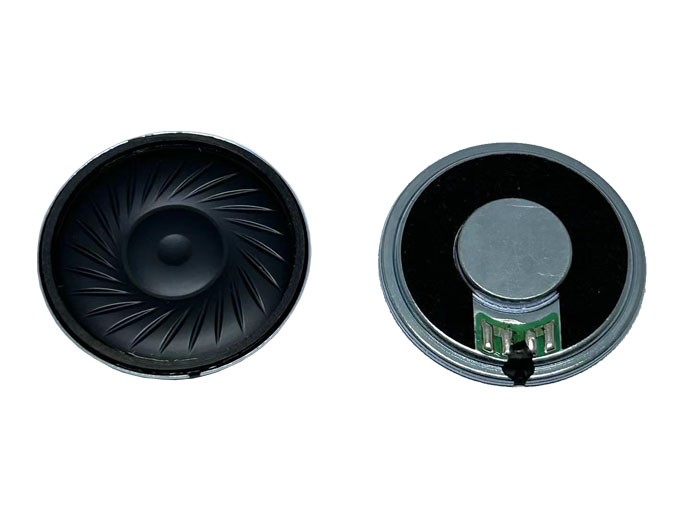


What's The Difference Between Mylar and Micro Speakers?
 Nov 14, 2025|
 View:691
In the world of audio technology, speaker design continues to evolve with innovative materials and miniaturization techniques. Among the various types available, Mylar speakers and micro speakers represent two distinct approaches to sound reproduction, each with unique characteristics and applications. Understanding their differences requires examining their construction, performance capabilities, and ideal use cases.
What Are Mylar Speakers?
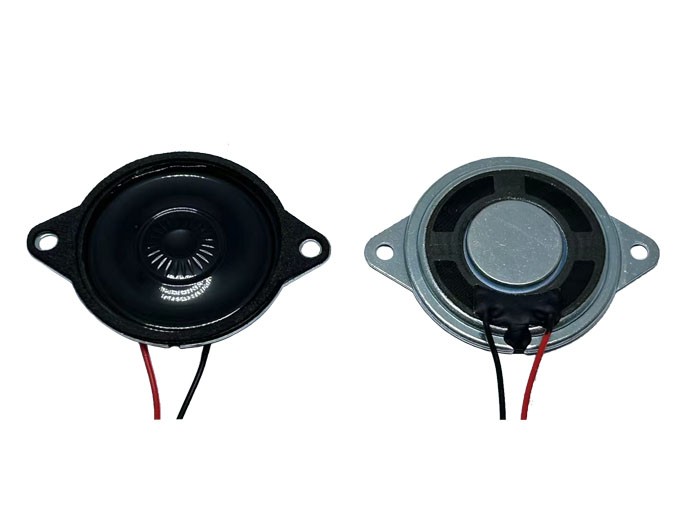
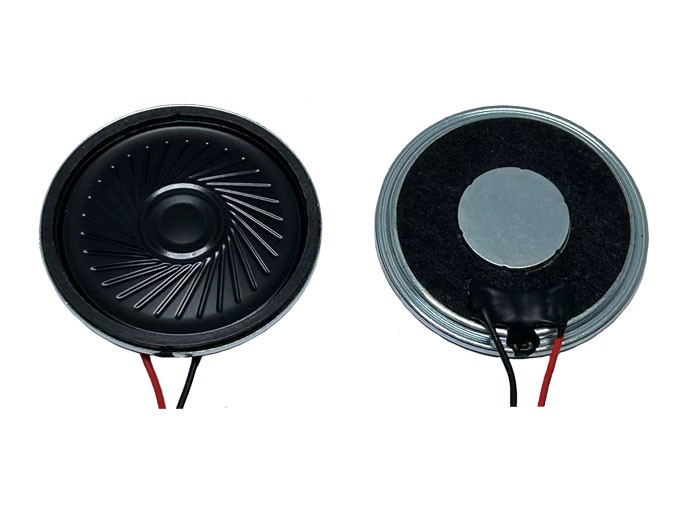
Mylar speakers, also known as polyester film speakers, utilize a thin polyester film (Mylar is DuPont's brand name for polyethylene terephthalate or PET) as their diaphragm material. This material offers several advantages that make it suitable for specific audio applications.
Construction and Material Properties
The key component in Mylar speakers is the diaphragm made from stretched polyester film, typically ranging from 2 to 12 microns in thickness. This film is coated with a conductive material and suspended between two fixed electrodes. When an audio signal is applied, the resulting electrostatic force causes the diaphragm to vibrate and produce sound waves.
Mylar's material properties include high tensile strength, excellent dimensional stability, and good temperature resistance. The material is lightweight yet durable, allowing for efficient sound reproduction while maintaining structural integrity. The electrostatic principle employed in many Mylar speakers enables precise movement control, resulting in minimal distortion and accurate high-frequency response.
Performance Characteristics
Mylar speakers excel in reproducing detailed high frequencies with exceptional clarity. Their transient response is particularly impressive, allowing them to accurately reproduce rapid changes in audio signals. However, they typically struggle with bass reproduction due to physical limitations of the thin diaphragm. The frequency response tends to favor the mid and high ranges, making them ideal for applications where vocal clarity and instrument definition are priorities.
The electrostatic nature of many Mylar speakers requires specialized amplification and relatively high voltages to operate effectively. This adds complexity to their implementation but contributes to their renowned audio accuracy.

Understanding Micro Speakers
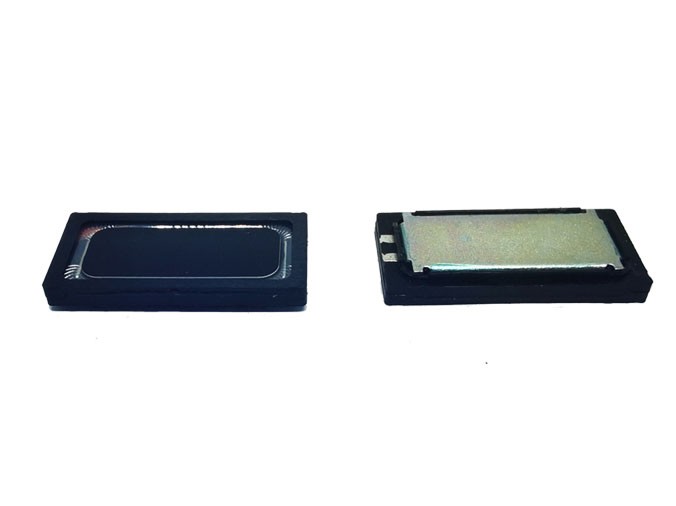
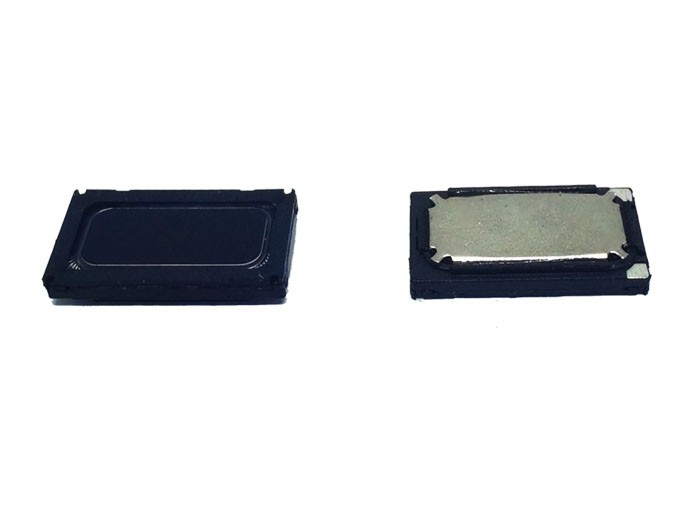
Micro speakers represent the cutting edge of speaker miniaturization, designed to deliver acceptable audio performance in increasingly compact devices. The term "micro speaker" generally refers to any speaker with a diameter of 20mm or less, though some specialized versions can be as small as 10mm.
Design and Miniaturization Challenges
The primary challenge in micro speaker design is achieving reasonable sound output despite severe size constraints. Engineers employ various techniques to maximize performance, including advanced magnetic systems, innovative diaphragm materials, and optimized acoustic chambers. Modern micro speakers often use neodymium magnets, which provide strong magnetic fields in compact packages, and sophisticated voice coil designs that maximize efficiency.
Diaphragm materials vary widely, with common options including polypropylene, polyimide, paper composites, and sometimes Mylar itself. The choice depends on the specific balance of weight, stiffness, and damping properties required for the application.
Performance Capabilities and Limitations
Micro speakers face inherent physical limitations due to their size. The small diaphragm area restricts air movement, limiting both maximum volume and bass response. Engineers compensate through various means, including passive radiators, bass enhancement algorithms, and sophisticated enclosure designs that amplify certain frequencies.
Despite these challenges, modern micro speakers achieve impressive performance levels. Their frequency response typically emphasizes mid-range frequencies where human hearing is most sensitive, ensuring intelligible speech reproduction and reasonable music playback in compact devices. Efficiency is a critical design parameter, as micro speakers must often operate on limited battery power.
Key Differences Between Mylar and Micro Speakers
1. Fundamental Operating Principles
The most significant distinction lies in their operational principles. While Mylar speakers often employ electrostatic principles (though dynamic versions exist), micro speakers typically use electromagnetic dynamic principles. This fundamental difference impacts their design requirements, power needs, and acoustic characteristics.
Electrostatic Mylar speakers require high-voltage bias supplies and specialized amplifiers but offer exceptional precision in diaphragm control. Micro speakers operate on standard audio signals but face challenges with distortion at high excursion levels due to their miniature voice coils and magnetic structures.
2. Size and Application Scope
The term "micro" specifically refers to physical dimensions, while "Mylar" describes a diaphragm material. This creates an important distinction: Mylar speakers can be manufactured in various sizes, including micro dimensions, while micro speakers can incorporate various diaphragm materials, including Mylar.
Generally, Mylar speakers tend to be larger to achieve their characteristic sound quality, while micro speakers prioritize minimal size above all else. This size difference directly influences their typical applications: Mylar speakers often appear in high-end audio systems, studio monitors, and specialized transducers, while micro speakers dominate the mobile device market, hearing aids, and ultra-compact electronics.
3. Frequency Response and Sound Characteristics
Mylar speakers excel in high-frequency reproduction with exceptional detail and low distortion. Their lightweight diaphragms can start and stop moving almost instantaneously, resulting in superb transient response. However, they typically require larger surface areas or supplementary woofers for adequate bass response.
Micro speakers face more severe frequency response limitations due to their miniature size. Their small diaphragms cannot move significant air volumes, resulting in limited bass extension and overall sound pressure level capabilities. Engineers often employ digital signal processing to enhance perceived bass and optimize the frequency response for specific applications.
4. Power Requirements and Efficiency
Traditional electrostatic Mylar speakers require high-voltage power supplies (often hundreds of volts) in addition to standard audio amplification. This makes them relatively power-inefficient and complex to implement. Modern dynamic Mylar speakers have fewer special requirements but still prioritize sound quality over efficiency.
Micro speakers are designed specifically for efficiency, as they typically operate in battery-powered devices. Their designers prioritize maximizing sound output per watt of input power, often at the expense of ultimate sound quality. This efficiency focus makes them ideal for mobile applications but limits their performance in high-fidelity systems.
5. Cost and Manufacturing Complexity
Mylar speakers, particularly electrostatic versions, involve complex manufacturing processes with precise material handling and assembly requirements. The need for high-tolerance components and specialized materials typically results in higher production costs.
Micro speakers benefit from mass production techniques developed for the consumer electronics industry. While their miniature components require precision manufacturing, economies of scale have made them remarkably affordable. This cost difference reflects their respective market positions: Mylar speakers as specialized components for quality-focused applications, and micro speakers as commodity parts for mass-market devices.

Application Examples and Future Developments
Typical Applications
Mylar speakers find homes in applications where sound quality takes precedence over size and cost considerations. These include high-end headphones, electrostatic panel speakers, professional studio monitors, and specialized measurement equipment. Their ability to reproduce intricate details makes them valuable in situations requiring critical listening.
Micro speakers have enabled the ongoing miniaturization of consumer electronics. They're essential components in smartphones, true wireless earbuds, hearing aids, wearable devices, and ultra-compact Bluetooth speakers. Their development continues to push the boundaries of how much sound quality can be extracted from increasingly smaller packages.
Technological Convergence and Future Trends
The distinction between Mylar and micro speakers continues to blur as technologies advance. Some manufacturers now produce micro speakers using Mylar diaphragms, combining the material benefits of polyester films with miniaturized magnetic structures. Meanwhile, advancements in materials science are creating new polymer composites that offer the benefits of Mylar with improved durability and performance characteristics.
Future developments will likely focus on overcoming the fundamental physical limitations of both technologies. For Mylar speakers, this means improving bass response and reducing system complexity. For micro speakers, the challenge remains increasing output capability and extending frequency response while maintaining or reducing size.
While Mylar and micro speakers represent different approaches to sound reproduction, the most accurate understanding recognizes that these terms describe different aspects of speaker technology: Mylar refers to a diaphragm material with specific acoustic properties, while micro describes a size category with particular engineering challenges.
The choice between technologies depends entirely on application requirements. For situations demanding the highest possible sound quality with less concern for size or cost, Mylar-based designs often deliver superior performance. For space-constrained applications where miniaturization is paramount, micro speakers provide the only practical solution.
As audio technology continues to evolve, we can expect further convergence of these approaches, with materials like Mylar being adapted to increasingly compact form factors while maintaining their desirable acoustic properties. Understanding their fundamental differences empowers consumers and engineers alike to make informed decisions based on specific needs and priorities.