
Categories
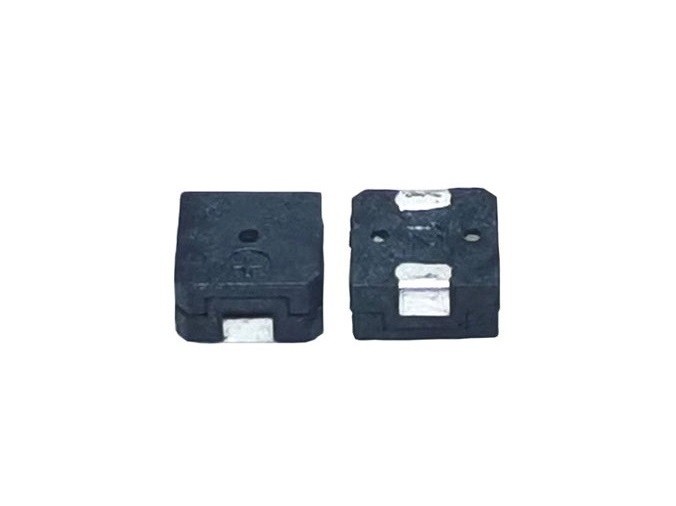

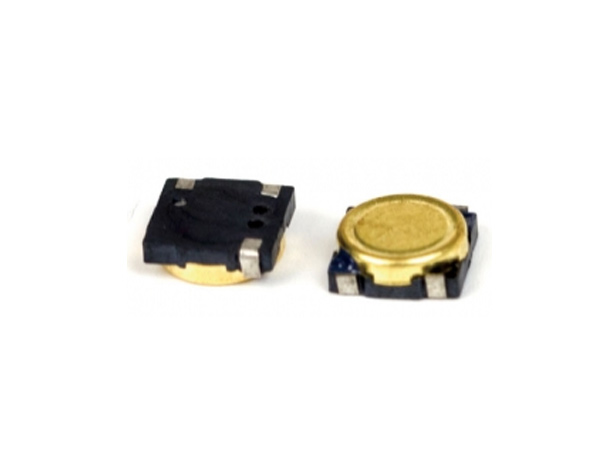
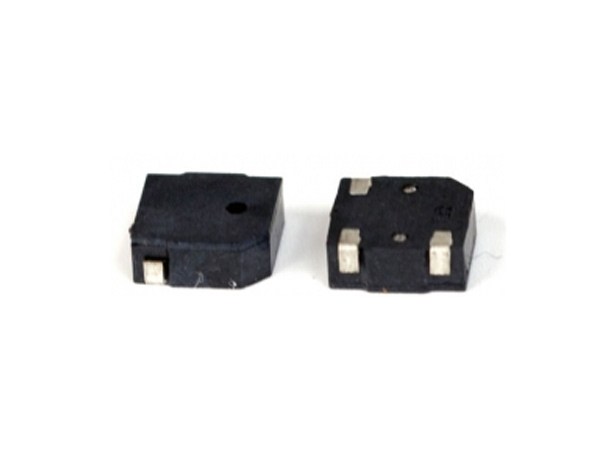
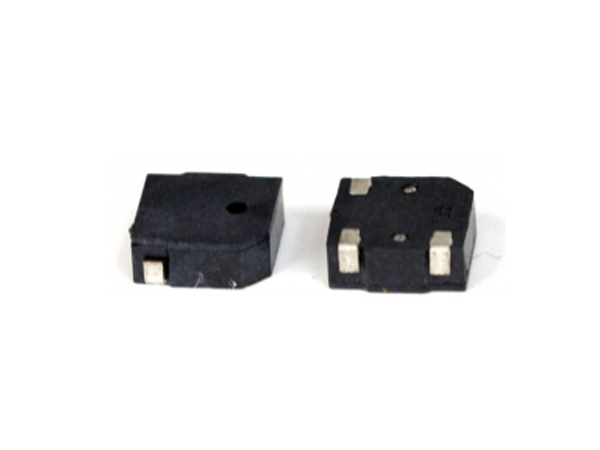
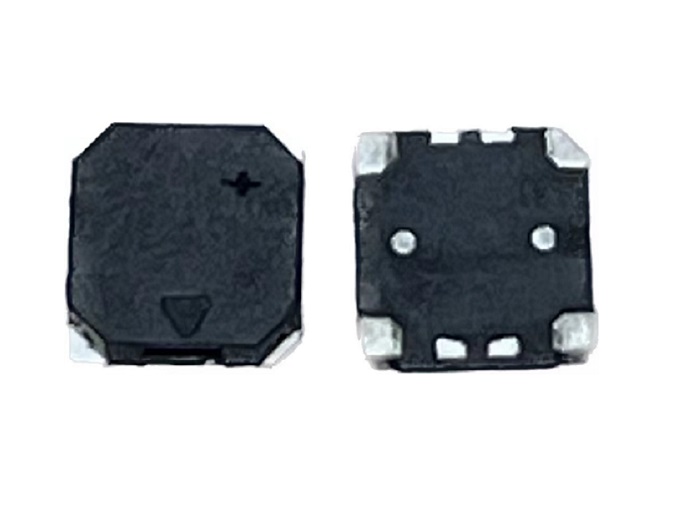
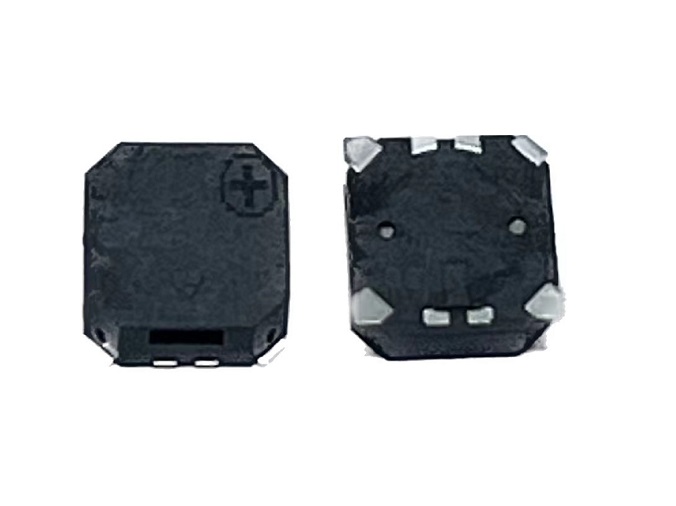
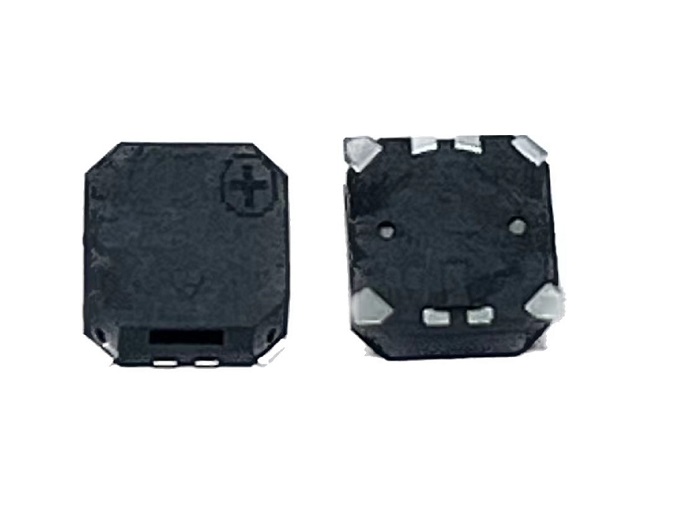
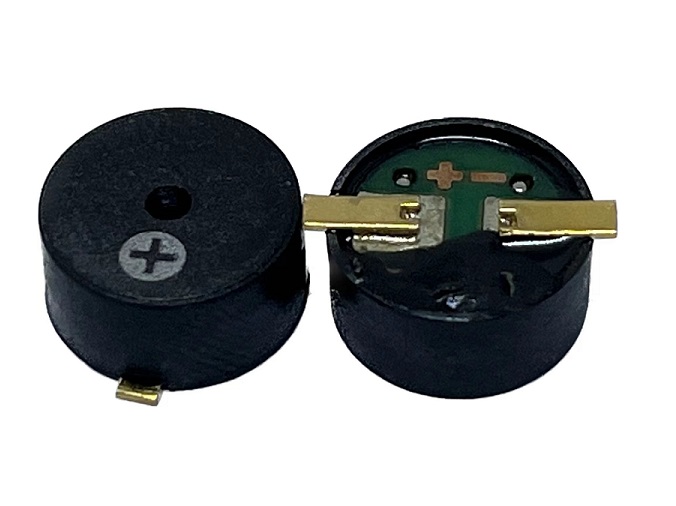
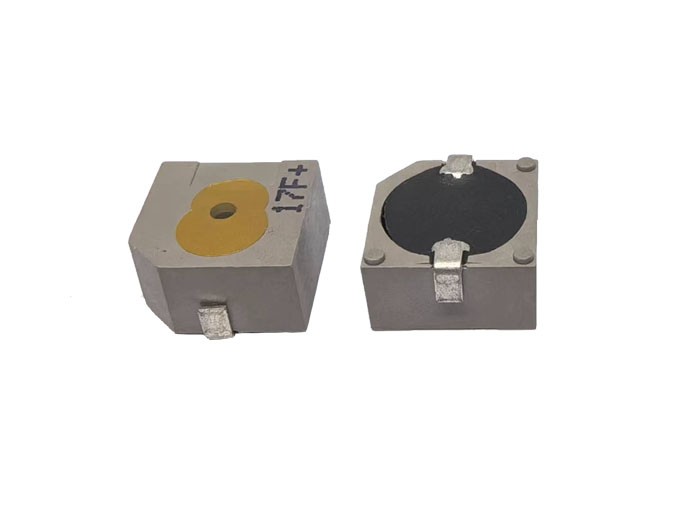
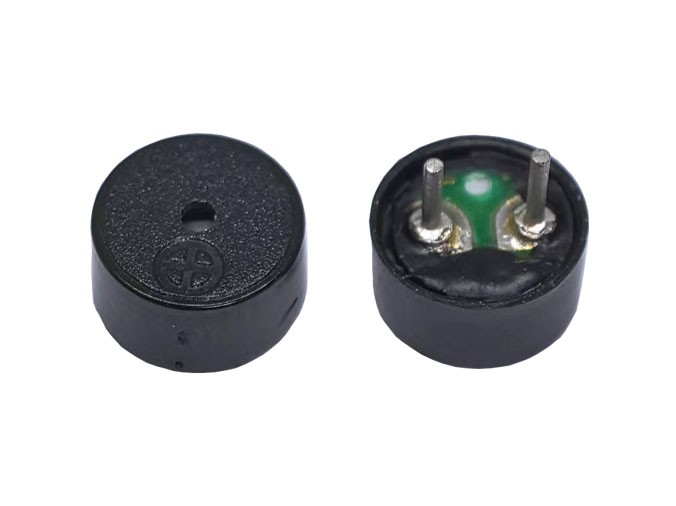
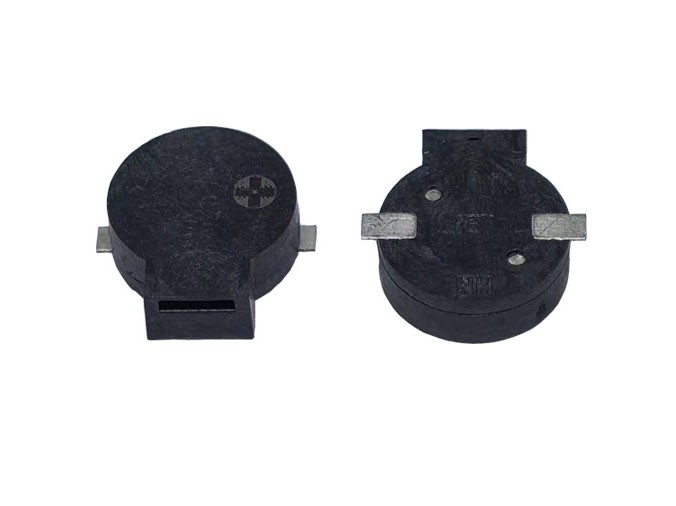
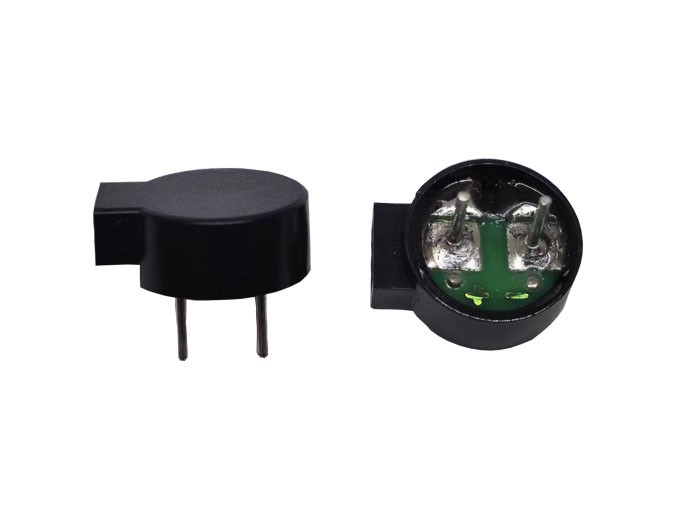
Magnetic buzzer is an electronic audio component composed of a coil, a magnet, a metal plate, and an outer shell. When the coil is energized by a current, it generates a magnetic field, which moves the metal plate against the magnet to produce repeated buzzer sounds and serve as a warning or reminder. Magnetic transducer buzzers have the characteristics of low voltage and high dB levels.
As a leading magnetic buzzer manufacturer in China , Shenghui Electronic specializes in the design and production of high-performance magnetic transducer buzzer solutions. Our magnetic buzzer product range covers both SMD (Surface Mount) and through-hole configurations, including active and passive magnetic buzzer types, engineered for reliability and clear audio output in demanding environments.
Ideal for home appliances, industrial controls, automotive electronics, and medical devices, our magnetic transducer buzzers are characterized by low voltage drive capability and consistent sound pressure levels. We offer extensive OEM/ODM support, allowing for customization of specifications such as voltage, frequency, and dimensions to meet your exact PCB integration needs.