
Your location: Home   Products  Passive Buzzer
Passive Buzzer

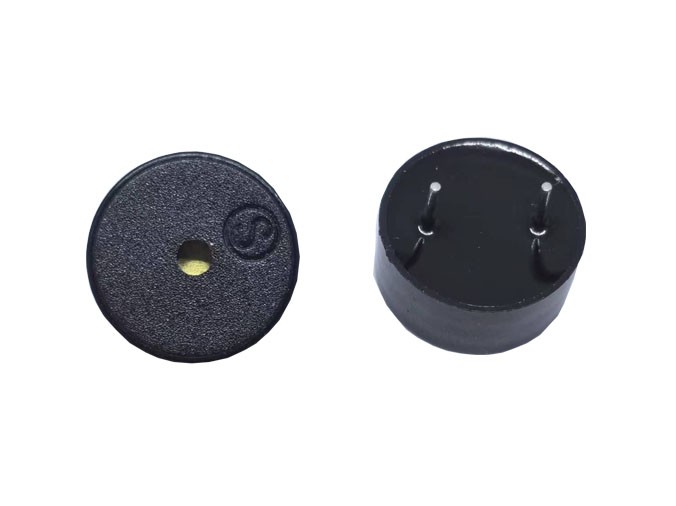
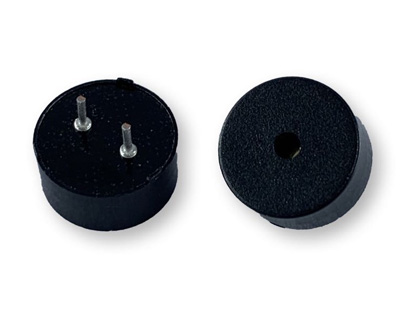
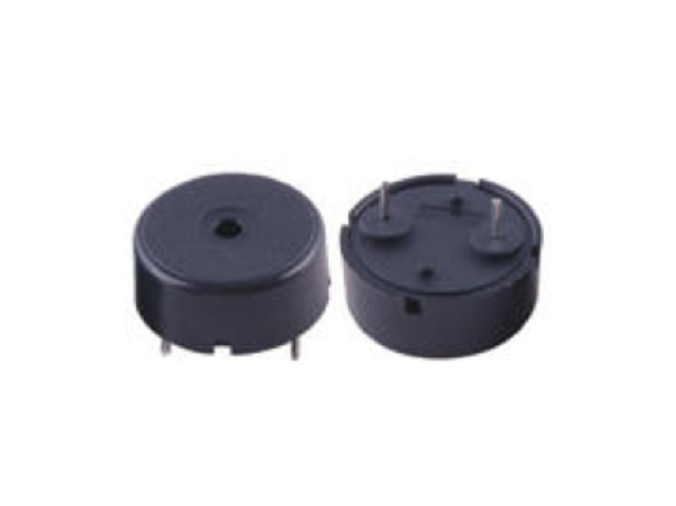
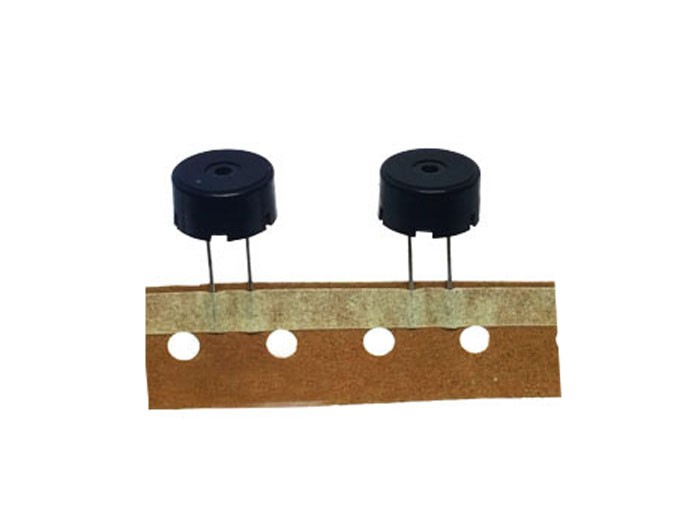
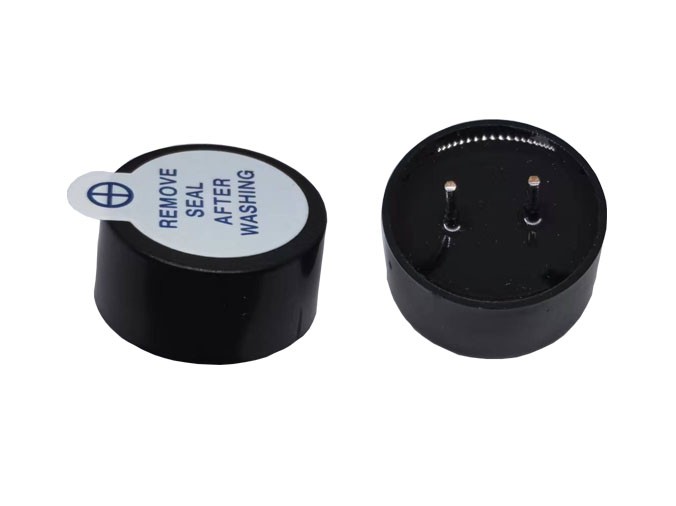
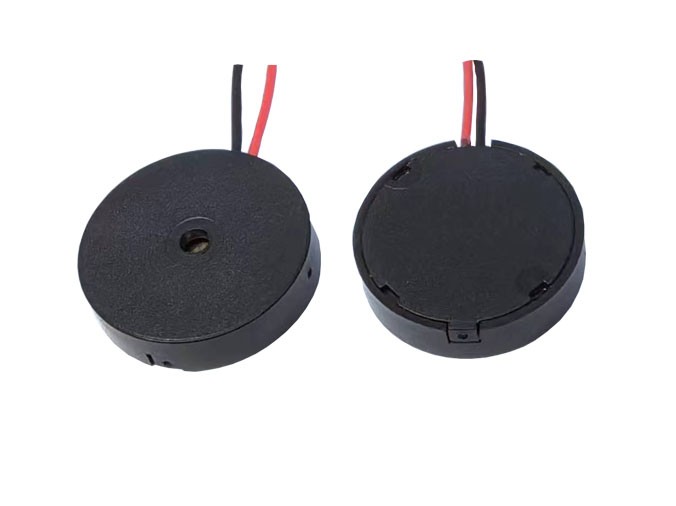
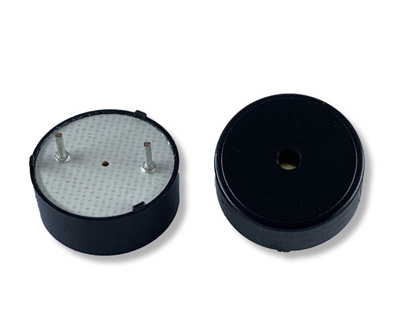
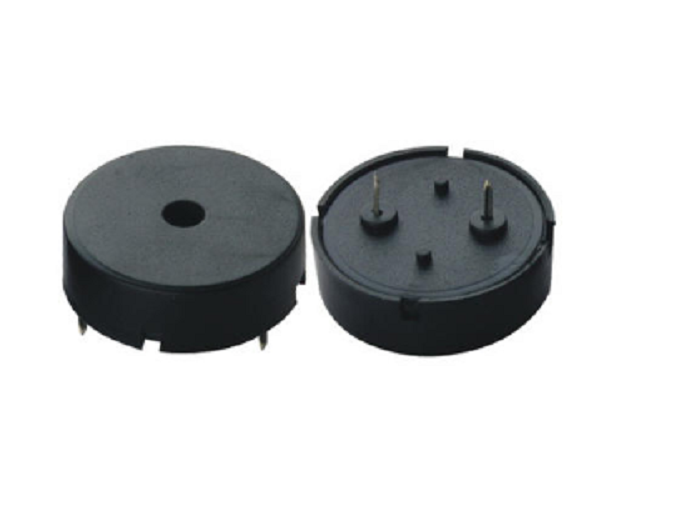
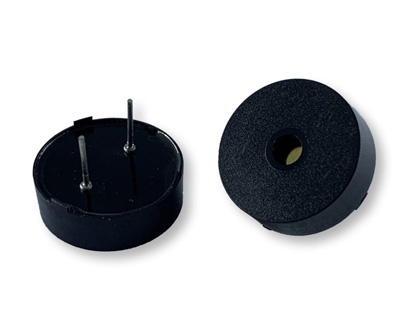
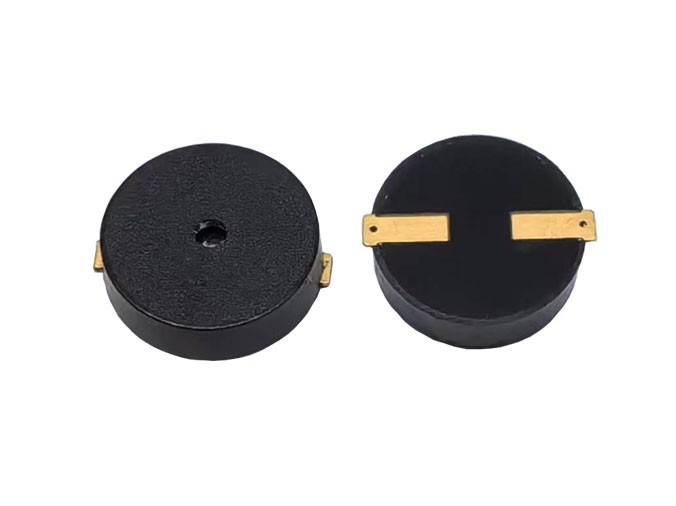
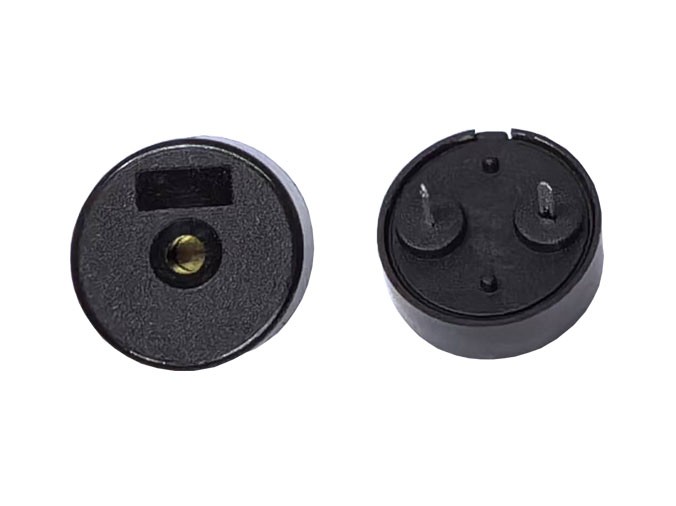
As leading passive piezo buzzer manufacturer,  Our product lineup includes a comprehensive selection of miniature piezo buzzer models, characterized by their small footprint and low profile, making them ideal for space-constrained electronics. These miniature piezo buzzer units deliver clear, consistent audio output while maintaining excellent power efficiency. Whether you need a compact Φ10.0mm or a robust Φ22.0mm component, our passive piezo buzzer series offers multiple voltage options (3V, 5V, 9V, 10V, 12Vp-p) and sound pressure levels (70dB to 85dB).


Key advantages of our passive piezo buzzer include high energy efficiency, low power consumption, and a broad operational frequency range (2KHz to 5.2KHz), making them perfect for battery-powered devices and applications where power management is critical. As a leading manufacturer, we support full OEM/ODM customization for your specific miniature piezo buzzer requirements, including dimensions, voltage, frequency, and sound output. 

FAQs about

Does a passive buzzer need a resistor?

While a passive buzzer can operate without a resistor, it is generally recommended to add a current-limiting resistor in series. The resistor helps control the current flow, protects the buzzer from potential overcurrent damage, reduces power consumption,

How to test a passive buzzer?

To test a passive buzzer, you can use a function generator or a microcontroller to apply an AC square wave signal at its rated voltage (e.g., 5V) and a typical frequency (e.g., 2-4 kHz). If it emits a clear tone, it is functioning. Alternatively, with a m

What is the difference between a passive buzzer and a speaker?

Both a passive buzzer and a speaker are transducers that convert electrical signals into sound, but they differ in design and application. A passive buzzer is optimized to produce a specific, often narrow-range frequency tone (e.g., 2-5 kHz) for clear ale

How to use a passive buzzer?

A passive buzzer requires an external driving circuit to function. Connect it to a microcontroller (e.g., Arduino, Raspberry Pi) and use a PWM (Pulse Width Modulation) or square wave signal to control the frequency and amplitude, allowing it to produce di

How do I know if my buzzer is passive or active?

To identify the buzzer type, there are several methods. First, you can apply a DC voltage: an active buzzer will produce a continuous tone, while a passive buzzer will remain silent or may produce a click. You can also measure resistance with a multimeter