

What Is an Active Buzzer and How Does It Work
 Oct 11, 2026|
 View:2407
An active buzzer is an electronic sound-producing component commonly used for audible alerts, status indications, and warning signals. Its integrated oscillation circuit allows it to generate sound when the specified supply voltage is applied. Understanding its operating principle, electrical requirements, and differences from passive buzzers helps engineers select a suitable component for their applications.
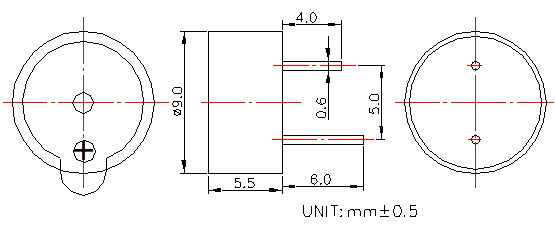
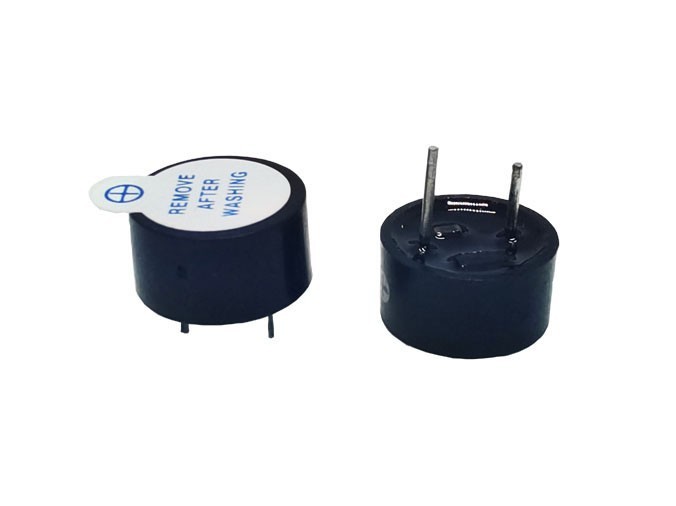
Figure 1. Example of an active buzzer. Replace this image path with the original approved article image.
| Definition | Primary Functions |
|---|---|
| An active buzzer is an electronic sound-producing component that typically incorporates an oscillator or driving circuit. | It provides audible feedback for alarms, warnings, timers, equipment status, and user-interface events. |
Key Takeaways
An active buzzer generally produces sound when supplied with power within its specified operating range.
It is suitable for applications requiring simple audible alerts without externally generating the buzzer's oscillation frequency.
Rated voltage, operating current, sound pressure level, frequency, mounting dimensions, and drive requirements vary by model.
Electrical compatibility should be checked before connecting a buzzer directly to a microcontroller output.
Active Buzzer Basics
What Is an Active Buzzer?
An active buzzer is an electronic component designed to produce sound using an internal oscillator or driver. When the correct supply voltage is applied, the internal circuit generates the signal needed to drive the sound-producing element. This makes many active buzzer models suitable for straightforward on/off alert functions.
The term “active buzzer” describes its electrical operating method rather than one universal construction. Active buzzers can use different sound-generating mechanisms, including electromagnetic or piezoelectric designs. Their electrical specifications and sound characteristics should therefore be checked against the individual product datasheet.
Active Buzzer vs. Passive Buzzer
Active and passive buzzers differ primarily in how the sound-producing signal is generated. A typical active buzzer incorporates an oscillator or driver, while a passive buzzer generally requires an external alternating or pulsed drive signal.
| Characteristic | Active Buzzer | Passive Buzzer |
|---|---|---|
| Internal oscillator | Typically integrated | Typically requires an external drive signal |
| Control method | Often controlled by switching its power or enable input | Driven by an external waveform or signal |
| Sound production | Produces its characteristic sound when correctly energized | Produces sound in response to an appropriate external signal |
| Frequency control | Usually limited by the internal oscillator and design | May allow a wider range of tones, depending on the transducer and drive circuit |
| Typical use | Simple alarms and status alerts | Applications requiring externally controlled tones or waveforms |
Active buzzers are often convenient for basic warning signals. Passive buzzers may be more appropriate when the system needs to generate different tones. The final choice depends on the required sound pattern, electrical interface, and application constraints.
Main Features
Active buzzers can simplify circuit design because the oscillation function is integrated into the component. However, their performance depends on the selected model rather than a universal set of specifications.
| Feature | Description |
|---|---|
| Sound generation | An internal oscillator or driver produces the signal required for sound generation. |
| Control mechanism | Many models support simple power switching or an enable input. |
| Voltage range | Depends on the rated voltage and operating range stated in the datasheet. |
| Frequency | Depends on the oscillator, transducer, and product design. |
| Current consumption | Varies by operating voltage, buzzer type, and sound-producing mechanism. |
| Size and integration | Available in different package sizes and mounting configurations. |
Active buzzers are used in alarm systems, toys, control panels, embedded electronics, and equipment status indicators. Some applications require continuous sound, while others use intermittent beeps controlled by the surrounding circuit.
Internal Components
The internal structure varies according to whether the buzzer uses an electromagnetic or piezoelectric sound-producing mechanism. A typical active buzzer may include the following functional elements:
Power terminals: Connect the component to a compatible power source or driver circuit.
Oscillator or driving circuit: Generates the electrical signal used to operate the transducer.
Sound-producing element: Converts electrical energy into mechanical vibration.
Diaphragm or vibrating structure: Moves to create pressure waves in the surrounding air.
Housing: Protects internal components and influences acoustic output.
| Component | Possible Construction |
|---|---|
| Sound-producing element | Piezoelectric ceramic element or electromagnetic assembly, depending on design |
| Electrodes or coil | Conductive electrodes in piezoelectric designs or a coil in electromagnetic designs |
| Housing | Typically a molded enclosure or another material specified by the manufacturer |
| Electronic circuit | Oscillator or driver circuitry, depending on the model |
These materials and components are examples rather than a specification for every active buzzer. The exact construction should be confirmed with the manufacturer.
Electrical overstress, incorrect polarity where applicable, excessive temperature, moisture, and mechanical damage can affect performance. Components should be operated within the environmental and electrical limits specified by the manufacturer.
How Active Buzzers Work
Operating Principle
When an active buzzer receives a compatible supply voltage, its internal oscillator or driver circuit generates the signal needed to operate the sound-producing element. In an electromagnetic buzzer, the electrical signal drives a magnetic assembly and vibrating diaphragm. In a piezoelectric buzzer, an electric field causes the piezoelectric material to deform, producing mechanical vibration and sound.
The resulting sound depends on the buzzer's construction, operating conditions, and acoustic characteristics. Many active buzzers are designed around a characteristic tone, so they are useful for simple alerts rather than applications requiring a wide range of independently generated musical notes.
| Feature | Description |
|---|---|
| Operating principle | An internal oscillator or driver operates the sound-producing element when the component is energized. |
| Advantages | Simple control and reduced need for an external tone-generation circuit. |
| Limitations | Tone control, loudness, and operating range depend on the model and may be limited by its design. |
Power Supply
An active buzzer must be supplied within its specified operating-voltage range. The power source must also be capable of delivering the required current without exceeding the limits of the controller or driver circuit.
Before selecting a power supply, engineers should review the rated voltage, allowable operating range, maximum current, polarity, and any requirements for switching or transient protection. A component may operate poorly or become damaged if these requirements are not met.
| Specification | Example Reference |
|---|---|
| Rated voltage | 5 V for a model specifically rated at 5 V |
| Operating voltage | Confirm the minimum and maximum values in the model datasheet |
| Maximum rated current | Confirm the model-specific current requirement before circuit design |
The 5 V entry above is an illustrative reference, not a universal specification for active buzzers. The original article's voltage and current table should be replaced with a verified model-specific table if the exact models and datasheets are available.
Active and passive buzzers do not necessarily have a fixed current-consumption relationship. Current depends on the transducer type, drive circuit, voltage, and operating conditions. Engineers should compare datasheet values instead of assuming that one category always consumes more power than the other.
Need Help Selecting an Active Buzzer?
Review the operating voltage, current requirement, sound output, dimensions, and mounting conditions before choosing a component for an electronic design.
View Active BuzzersContact UsDifference Between Active and Passive Buzzer
Key Differences
The main distinction is how the sound-driving signal is produced. An active buzzer generally includes an internal oscillator or driver, whereas a passive buzzer generally relies on an external electrical waveform. This difference affects the control circuit, available tones, and integration requirements.
| Feature | Active Buzzer | Passive Buzzer |
|---|---|---|
| Internal oscillator | Generally included | Generally external to the transducer |
| Power requirement | Compatible supply voltage according to the datasheet | Suitable drive signal and electrical limits according to the datasheet |
| Sound production | Typically sounds when correctly energized | Requires an appropriate external waveform or signal |
| Frequency control | Usually determined largely by the internal design | May be varied through the input signal within the transducer's operating limits |
When to Use Each
An active buzzer is a practical option for applications that need a straightforward audible alert, such as a control panel warning or a timer notification. Its internal circuitry reduces the need for an external tone-generation signal.
A passive buzzer may be appropriate when the application needs different tones or frequency-controlled sound. The controller or external driver must generate a suitable waveform and remain within the component's electrical limits.
Choose an active buzzer when simple on/off sound control meets the application requirements.
Consider a passive buzzer when the system requires more flexible tone generation.
Compare voltage, current, sound output, package dimensions, and environmental limits before final selection.
How to Use an Active Buzzer with Arduino
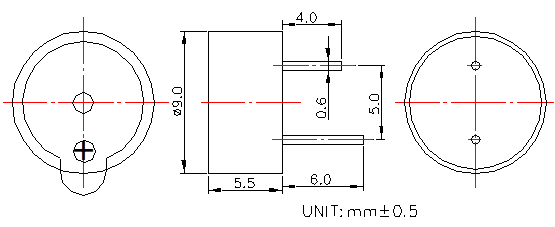
Figure 2. Active buzzer wiring example. Replace this image path with a verified wiring diagram before publication.
Wiring Example
Before connecting a buzzer to an Arduino board, confirm whether its voltage and current requirements are compatible with the selected board and output pin. A buzzer should not be connected directly to a GPIO pin if its current requirement exceeds the pin's permitted output current.
Check the buzzer datasheet for voltage, current, polarity, and terminal identification.
Connect the buzzer to a compatible power source and control circuit.
For a low-current model approved for direct GPIO drive, connect the terminals according to the component and board documentation.
For a model requiring more current, use a suitable transistor or driver circuit with the appropriate protection components.
Test the circuit at the specified operating voltage and verify that the output behaves as expected.
The following sketch illustrates basic on/off control for an active buzzer that is compatible with the selected output circuit. It assumes that the buzzer or driver is controlled by a logic-level signal on digital pin 12.
const int buzzerPin = 12;

void setup() {
  pinMode(buzzerPin, OUTPUT);
}

void loop() {
  digitalWrite(buzzerPin, HIGH);
  delay(500);

  digitalWrite(buzzerPin, LOW);
  delay(500);
}
This example switches the output on and off at half-second intervals. The logic level required to activate a particular buzzer or driver depends on the circuit design. The sketch should therefore be adapted to the actual hardware rather than treated as a universal wiring instruction.
Applications
Active buzzers can provide audible feedback in a range of electronic products, including:
Alarm and warning systems
Button presses and keypad confirmation
Game devices and electronic toys
Equipment status indicators
Vehicle warning systems designed for compatible buzzer components
Sensor-triggered alerts in monitoring and automation equipment
For consistent operation, engineers should use the recommended supply voltage, provide suitable electrical protection, and select an enclosure and mounting method appropriate for the installation environment. Temperature, humidity, dust, vibration, and operating duty cycle should be considered when the application requires them.
Practical Design Considerations
| Consideration | Recommended Check |
|---|---|
| Electrical compatibility | Confirm rated voltage, current, polarity, and driver requirements. |
| Acoustic output | Check sound pressure level and frequency under the specified test conditions. |
| Installation | Verify mounting dimensions, orientation, and sound outlet clearance. |
| Environment | Check the rated temperature, humidity, and enclosure protection requirements. |
| Operating cycle | Confirm whether continuous or intermittent operation is supported. |
Claims about sound quality, service life, or reliability should be based on documented test conditions and the selected product's specifications. They should not be generalized to all active buzzer models.
Looking for a Buzzer for an Electronic Device?
Share the required voltage, sound output, dimensions, mounting method, and application environment to help identify suitable component options.
Explore Active Buzzer ProductsGet a QuoteActive Buzzer Product Reference
The following product category provides a starting point for comparing active buzzer options. Final selection should be based on the complete product specification rather than the category name alone.
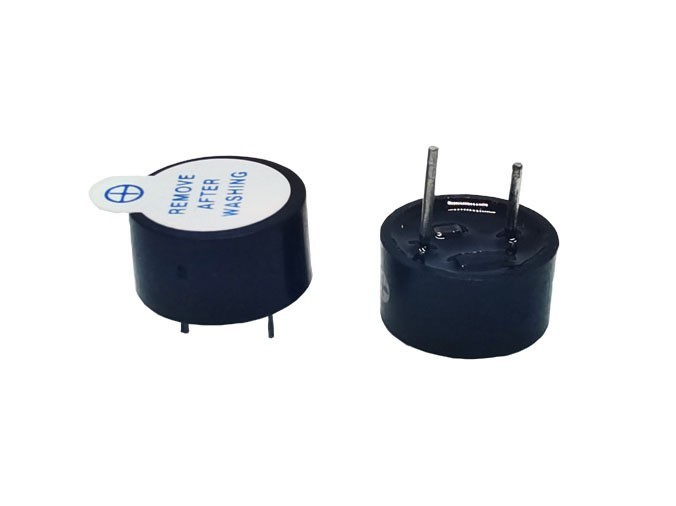
Active Buzzer Series
Explore active buzzer options for electronic alerts and status indication. Check the product specifications for rated voltage, current, dimensions, and sound output.
View Product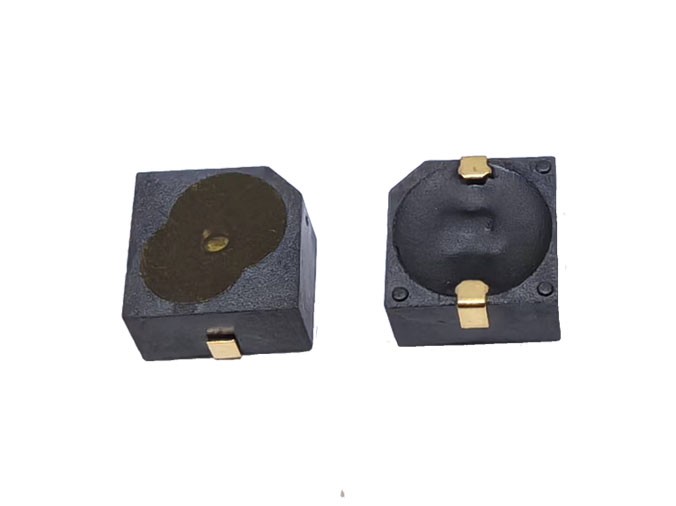
Active Magnetic Buzzer
Compare magnetic buzzer models for compatible electronic applications. Verify the individual model's voltage, sound pressure level, frequency, and mounting dimensions.
View Product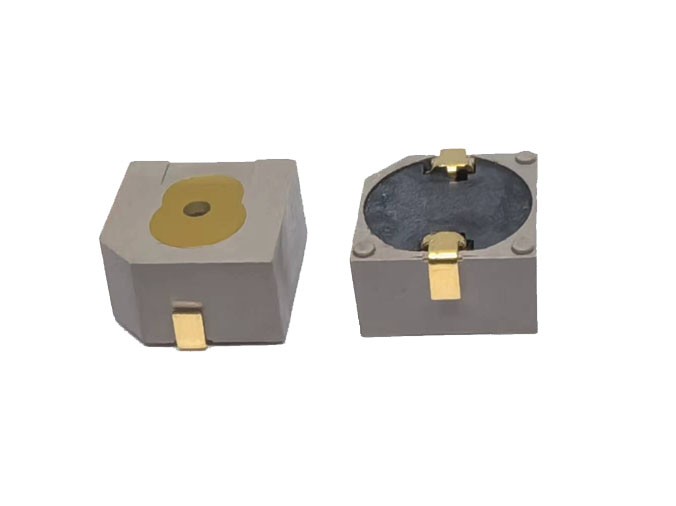
Compact Buzzer Options
Review available package sizes and electrical configurations to find a buzzer that fits the space and control requirements of the intended device.
View ProductRecommended Products
5V Passive Piezo Buzzer — a passive buzzer example for applications requiring an external drive signal.
Active Buzzer Product Range — browse active buzzer options and compare the specifications of individual models.
Shenghui Electronic — review the company's electronic acoustic component categories.
Need Product Specifications or a Quotation?
Contact the manufacturer with the intended application and electrical requirements to discuss the appropriate product model.
View Active Buzzer RangeContact UsFAQ
1. How can buyers choose the right active buzzer for their application?
Buyers should confirm the rated operating voltage, current consumption, sound pressure level, resonant frequency, dimensions, mounting method, and operating environment. They should also specify whether the buzzer will be used for continuous alarms or intermittent signals. Sharing the application requirements with the manufacturer helps identify a compatible model and reduce the risk of electrical or mechanical mismatches.
2. Can active buzzers be customized for OEM or bulk orders?
Customization options depend on the manufacturer's capabilities and the selected buzzer model. Buyers can discuss requirements such as operating voltage, housing dimensions, terminal configuration, wire length, sound characteristics, and packaging. Before placing a bulk order, they should confirm the available customization options, minimum order quantity, sample availability, production lead time, and pricing directly with the supplier.
3. What quality documents should buyers request when sourcing active buzzers?
International buyers should request the product datasheet, electrical performance specifications, applicable inspection or test reports, and relevant compliance documentation for the intended market. For volume orders, they should also clarify incoming inspection criteria, production consistency, defect handling, packaging requirements, and traceability. Any certification or test report should be checked for validity and applicability to the specific product model.
4. What happens if an active buzzer is connected to the wrong voltage?
Operating a buzzer outside its specified voltage range can cause weak sound output, abnormal operation, excessive current, or permanent damage. Engineers should check the rated and operating voltages in the datasheet and ensure that the power source remains within the permitted limits.
5. Can the sound of an active buzzer be changed?
Many active buzzers operate at a characteristic frequency determined by their internal oscillator or driver. The available control may be limited to switching or pulsing the sound. Applications requiring independently controlled tones may be better served by a suitable passive buzzer and external drive circuit.
6. Are extra components needed to use an active buzzer with Arduino?
Additional components may not be needed when the buzzer's electrical requirements are compatible with the board's output. If the buzzer requires more current than the output pin can supply, a suitable transistor or driver circuit is necessary. The design should follow the specifications for both the buzzer and the controller.
7. What is a piezo ceramic buzzer?
A piezoelectric buzzer uses a piezoelectric material that deforms when an electric field is applied. When the material and its associated diaphragm vibrate, they produce sound. Piezoelectric buzzers can be active or passive depending on their internal circuitry, so the term “piezoelectric” alone does not determine the control method.
8. What is a piezo buzzer made of?
A typical piezoelectric buzzer may contain a piezoelectric ceramic element, conductive electrodes, a diaphragm or supporting structure, terminals, and a housing. Exact materials and construction vary by model. The manufacturer's product documentation should be consulted when material composition or environmental compliance is important.