


SMD Magnetic vs Passive Piezo Buzzers: How to Choose the Right Alert Component for Your PCB
 Aug 27, 2026|
 View:211
SMD Magnetic vs Passive Piezo Buzzers
How to Choose the Right Alert Component for Your PCB
For PCB designers, hardware engineers and procurement teams, selecting the proper audible alert device directly impacts product performance, assembly efficiency and total project cost. Two of the most widely adopted solutions are the SMD magnetic buzzer and the passive piezo buzzer. Many buyers also compare electro magnetic buzzer structures with piezo technology, while evaluating differences between active passive buzzer categories before releasing BOM lists. This guide breaks down working principles, acoustic features, driving requirements, assembly constraints and application scenarios to help you make a confident selection for your PCB project.
Understand Core Working Principles First
A standard SMD magnetic buzzer relies on electromagnetic induction. Inside the component, a coil, permanent magnet and diaphragm form the driving structure. When current passes through the coil, the magnetic field drives the diaphragm to vibrate and generate sound. This structure belongs to the broader family of electro magnetic buzzer products. Magnetic buzzers deliver stable volume under low driving voltage, making them suitable for battery-powered consumer electronics, smart home hardware and portable medical equipment.
In contrast, a passive piezo buzzer uses the inverse piezoelectric effect. The ceramic element deforms when an external AC signal is applied, creating mechanical vibration and audible output. Unlike magnetic devices, piezo buzzers contain no coil or internal magnet. The passive piezo buzzer cannot generate sound with steady DC power. It requires an external square wave signal from a microcontroller or dedicated driver IC. This key trait creates the fundamental difference between active passive buzzer options. An active buzzer integrates an internal oscillation circuit, while a passive buzzer depends entirely on external frequency control.
Active Passive Buzzer: Why The Distinction Matters For PCB Design
The passive piezo buzzer offers far greater flexibility. Designers can adjust the input frequency to change tone, pitch and melody. This advantage enables multi-tone alerts, customizable warning sequences and differentiated user feedback. For products that require different alarm levels, the passive piezo buzzer is the preferred solution. However, it increases software workload because the MCU must generate accurate PWM signals. When you evaluate active passive buzzer choices, balance software development cost against acoustic flexibility.
Acoustic Performance: SMD Magnetic Buzzer vs Passive Piezo Buzzer
Acoustic performance is the top concern for most buyers. A well-designed SMD magnetic buzzer produces rich low-frequency sound. Low-frequency alerts travel well through enclosed plastic housings, which explains why many household appliances adopt this component. Most electro magnetic buzzer models perform steadily within 2KHz–5KHz. They maintain consistent SPL under 3V–5V power supply, matching mainstream IoT device voltage standards.
The passive piezo buzzer excels at higher frequency ranges, usually from 2KHz up to 10KHz or higher. High-frequency sound carries farther in open spaces, making piezo devices suitable for security alarms, industrial detectors and outdoor equipment. One limitation is that high-frequency sound attenuates quickly inside closed shells. When using a passive piezo buzzer, engineers must carefully verify SPL test data under actual product housing conditions rather than relying solely on laboratory parameters.
Driving Circuit & Power Consumption Comparison
Power consumption is critical for battery-powered PCBs. The SMD magnetic buzzer consumes relatively higher current during continuous operation because the coil continuously draws power. Designers need to reserve sufficient IO port driving capacity or add a transistor switch circuit. As a classic electro magnetic buzzer, magnetic buzzers also face potential magnetic interference issues. Keep magnetic buzzers away from magnetically sensitive sensors on the PCB layout.

The passive piezo buzzer features high input impedance and lower continuous working current. Piezo elements generate almost no electromagnetic radiation, minimizing interference with nearby wireless modules such as Bluetooth and Wi-Fi. For compact wireless devices, the passive piezo buzzer provides better EMC performance. When comparing active passive buzzer configurations, passive piezo devices usually deliver better energy efficiency for intermittent alert applications.
SMT Assembly & PCB Layout Considerations
The passive piezo buzzer in SMD package also supports reflow soldering. Piezo devices have no magnetic field, giving engineers more freedom in component placement. One notable advantage of the passive piezo buzzer is a thinner overall profile. Many ultra-thin wearable devices choose piezo technology to save vertical space. When reviewing active passive buzzer packages, confirm pad design, soldering temperature curves and moisture sensitivity level with your supplier.
Application Selection Guide For Procurement Teams
Cost, Supply Chain & Long-Term Sourcing
Purchase volume, lead time and long-term supply stability are essential for mass production. The SMD magnetic buzzer contains copper coils and rare earth magnets. Raw material price fluctuations may affect long-term pricing. Reliable electro magnetic buzzer manufacturers provide consistent quality control, automated production and sufficient production capacity to support large orders.
The passive piezo buzzer uses ceramic piezoelectric elements. The manufacturing process is stable, and component lifespan is long. For projects with long product lifecycles, the passive piezo buzzer offers predictable long-term availability. When evaluating active passive buzzer suppliers, verify compliance certifications including RoHS, REACH and ISO quality standards. Direct cooperation with an experienced buzzer manufacturer helps shorten lead time, reduce intermediate costs and ensure acoustic consistency across batches.
Conclusion
Changzhou Shenghui Electronic Co., Ltd.
Tel: 0086-519-85118108, 85108218 | Fax: 0086-519-85108596
E-mail: sales@shenghui.com, eddie@shenghui.com
Add: NO.277 Huanghe West Road, Hi-New Zone, North Changzhou, Jiangsu, China
Target keywords: SMD magnetic buzzer, passive piezo buzzer, electro magnetic buzzer, active passive buzzer, PCB alert component, buzzer manufacturer China, SMT buzzer
Recommended Products
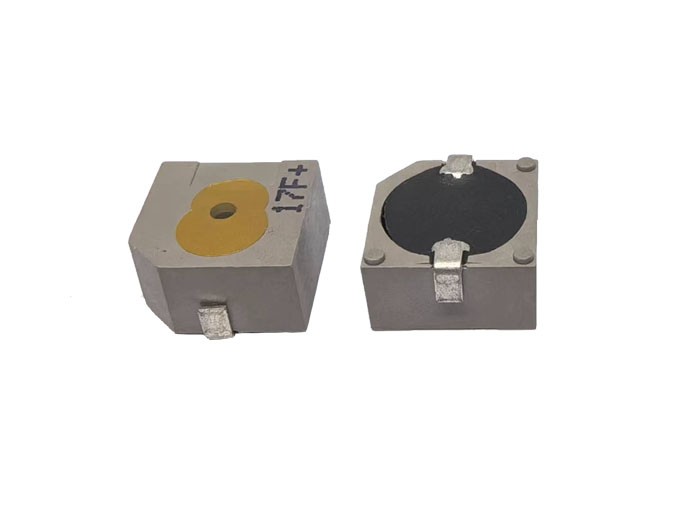
5Vp-p 2.4KHz 85dB SMD Magnetic Buzzer
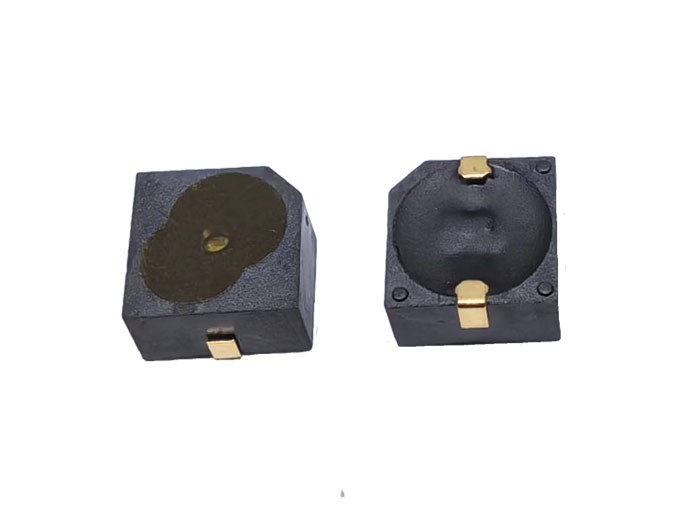
Active Magnetic Buzzer 5VDC 80dB
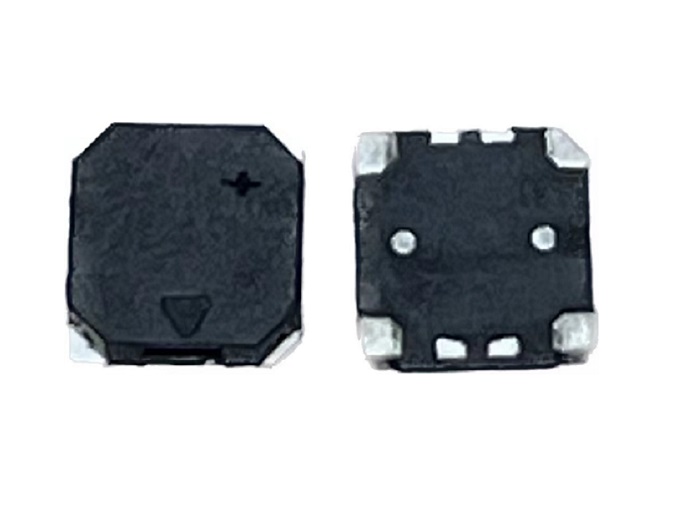
3Vp-p 82dB SMD Magnetic Buzzer
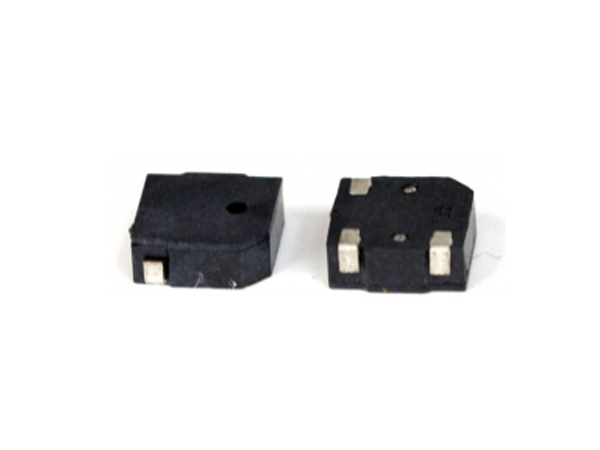
5.0x5.0x3.0 3Vp-p 4KHz 78dB SMD Magnetic Buzzer
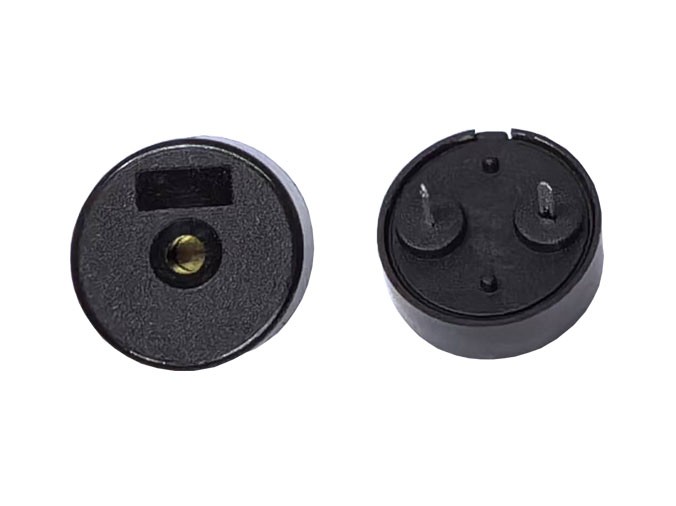
5Vp-p 80dB Passive Piezo Buzzer
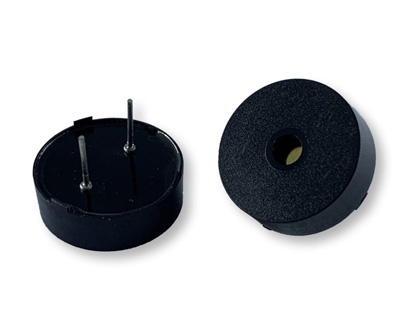
12V 4KHz 85dB Passive Piezo Buzzer
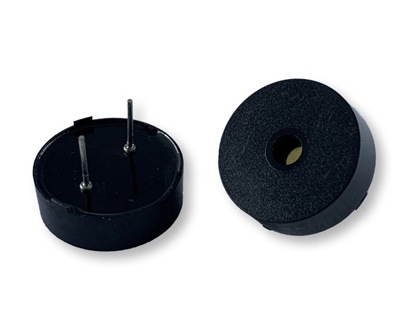
5Vp-p 1KHz 80dB Passive Piezo Buzzer
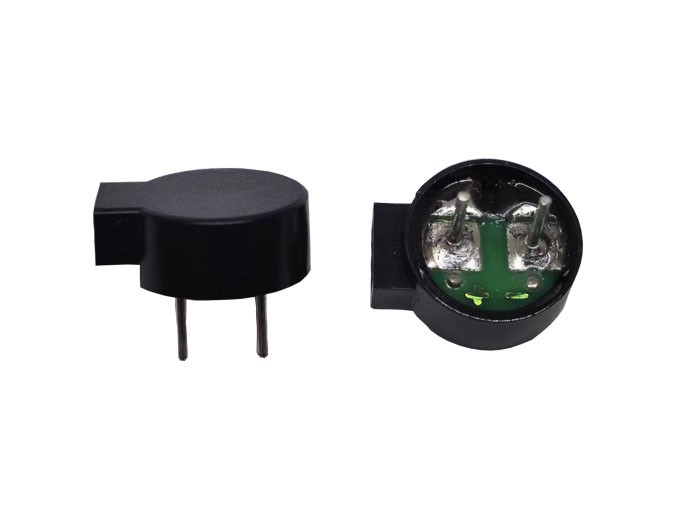
3Vp-p 85dB Passive Magnetic Buzzer
10Vp-p 5KHz 80dB Passive Piezo Buzzer
Recent News
1.Exploring the Applications of a 1.5V Passive Magnetic Buzzer
2024-04-162.Understanding the Difference Between Passive and Active Buzzers
2025-10-273.Which is better, an active or passive buzzer?
2025-07-214.The Essential Guide to Passive Magnetic Buzzers
2025-12-225.Which Is Better an Active or Passive Buzzer?
2026-04-206.The role of smd magnetic buzzer in sound recognition technology
2023-05-247.SMD Magnetic vs Passive Piezo Buzzers: How to Choose the Right Alert Component for Your PCB
2026-08-278.The Best Magnetic Buzzer Manufacturers in China 2026
2026-01-149.SMD Magnetic Buzzer: Types, Voltage Ranges, and Industry Applications
2025-12-0910.What is the difference between piezo buzzer and electromagnetic buzzer
2025-12-03